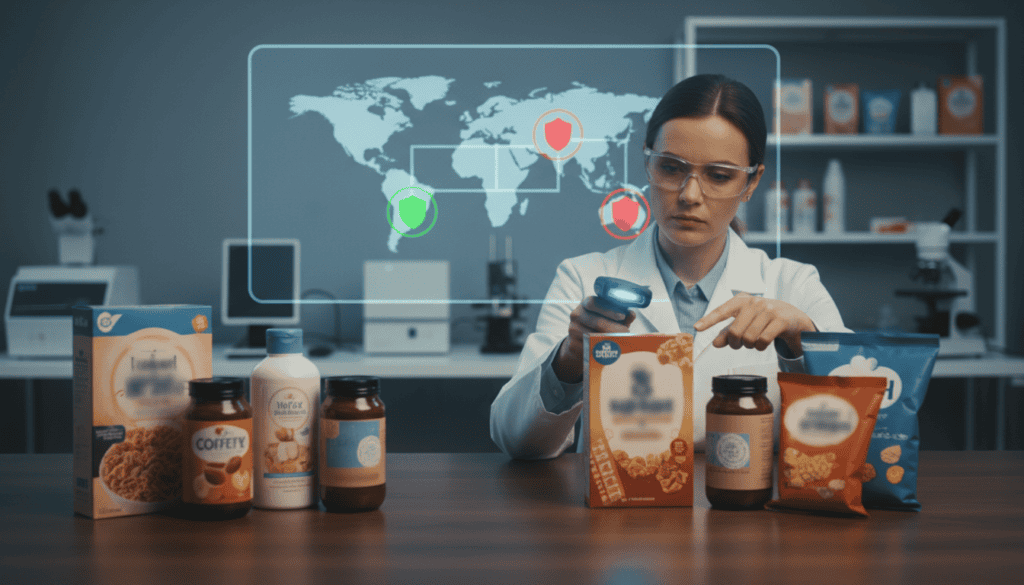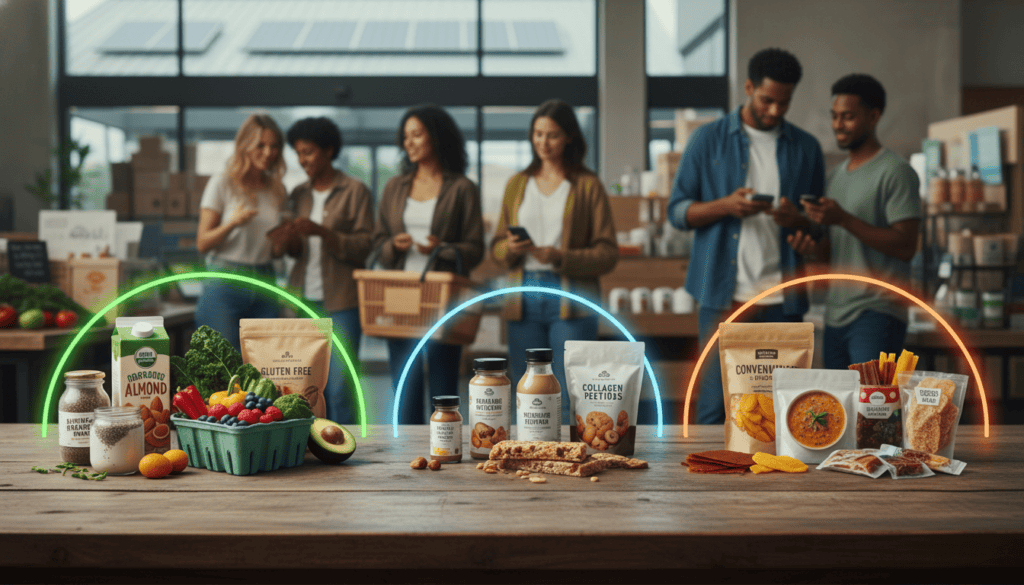
The global food and beverage CPG market hit $2.1 trillion in 2023, yet 80% of new products fail within their first year. What separates the winners from the failures isn’t just taste or quality—it’s understanding the rapidly shifting landscape of consumer behavior and market dynamics that smart brands use to their advantage.

The Current State of Food & Beverage CPG Markets
The food and beverage consumer packaged goods sector is experiencing unprecedented transformation. Traditional retail models are being disrupted by direct-to-consumer brands, subscription services, and omnichannel approaches that blur the lines between online and offline shopping experiences.
Here’s what’s driving this change: consumers now expect personalization, transparency, and convenience at levels never seen before. They’re willing to pay premium prices for products that align with their values, but they’ll abandon brands that don’t meet their evolving expectations just as quickly.
The pandemic accelerated trends that were already gaining momentum. E-commerce food sales jumped 54% in 2020 and have maintained much of that growth. This shift isn’t just about where people shop—it’s fundamentally changed how they discover, research, and choose products.
Key Market Trends Reshaping the Industry
Health and Wellness Take Center Stage
Functional foods and beverages are no longer niche markets. Consumers actively seek products that offer health benefits beyond basic nutrition. This trend spans multiple categories:
- Immunity-boosting ingredients like elderberry, zinc, and vitamin D have moved from supplements into mainstream food products
- Gut health focus drives demand for probiotics, prebiotics, and fermented foods
- Mental wellness products incorporating adaptogens, CBD, and stress-reducing compounds
- Clean label movement pushes brands toward simpler, recognizable ingredient lists
The reality is that health claims alone aren’t enough anymore. Consumers research ingredients, read reviews, and expect scientific backing for functional benefits. Brands that can’t substantiate their health positioning quickly lose credibility.
Sustainability Becomes Non-Negotiable
Environmental consciousness has moved from nice-to-have to must-have status. This might surprise you: 73% of millennials say they’ll pay more for sustainable products, and Gen Z consumers are even more demanding about environmental responsibility.
- Packaging innovations focus on recyclable, compostable, or reusable materials
- Carbon footprint transparency appears on more product labels
- Local sourcing reduces environmental impact while supporting communities
- Plant-based alternatives continue expanding beyond traditional meat substitutes
Technology Integration Accelerates
Smart packaging, QR codes, and augmented reality experiences are becoming standard rather than experimental. Brands use these technologies to:
- Provide detailed product information and sourcing stories
- Enable traceability from farm to table
- Create interactive brand experiences
- Gather real-time consumer feedback and usage data
Consumer Preference Shifts That Matter
Personalization Drives Purchase Decisions
Mass market products are losing ground to personalized alternatives. Consumers want products that fit their specific dietary needs, taste preferences, and lifestyle choices. This trend manifests in several ways:
- Customizable products allow consumers to adjust flavors, nutrition profiles, or ingredient combinations
- Dietary-specific offerings cater to keto, paleo, vegan, gluten-free, and other specialized eating patterns
- Subscription services curate product selections based on individual preferences and purchase history
Convenience Without Compromise
Today’s consumers won’t sacrifice quality for convenience, but they absolutely demand both. This creates opportunities for brands that can deliver:
- Ready-to-eat meals that match restaurant quality
- Portable snacks that provide sustained energy and nutrition
- Quick preparation products that don’t rely on artificial ingredients or preservatives
- Multi-functional items that serve as meal replacements, snacks, or ingredients
Authentic Brand Storytelling
Consumers connect with brands that have compelling origin stories, clear missions, and authentic personalities. Here’s what works:
- Founder stories that explain why the company exists
- Ingredient sourcing narratives that highlight quality and ethics
- Community impact demonstrating positive social or environmental contributions
- Transparent communication about challenges, failures, and improvements
Most businesses miss this: authenticity can’t be manufactured through marketing campaigns. It must be built into the product development process and company culture from the beginning.

Demographic Insights Driving Market Changes
Generation Z Reshapes Expectations
Gen Z consumers approach food and beverage purchases differently than previous generations. They’re digital natives who expect seamless online experiences, but they also value in-person community and authentic connections.
Key characteristics of Gen Z food consumers:
- Research products extensively before purchasing
- Prioritize brands that align with their social and environmental values
- Share food experiences on social media platforms
- Experiment with global flavors and cuisines
- Prefer brands that take stands on social issues
Aging Millennials Drive Premium Growth
As millennials enter their peak earning years, understanding Gen Z and millennial consumer behavior reveals they’re willing to spend more on quality food and beverages. This demographic shift creates opportunities in premium categories that offer:
- Artisanal or craft positioning
- Limited edition or seasonal offerings
- Sophisticated flavor profiles
- Health and wellness benefits
- Ethical sourcing and production practices
Distribution Channel Evolution
The traditional grocery store model is adapting to accommodate changing shopping behaviors. Smart brands are diversifying their distribution strategies to meet consumers wherever they prefer to shop.
Direct-to-Consumer Growth
D2C sales allow brands to build direct relationships with customers, gather valuable data, and maintain higher profit margins. Successful D2C food and beverage brands focus on:
- Subscription models that provide predictable revenue
- Limited product lines that reduce complexity
- Educational content that builds brand authority
- Community building through social media and events
Omnichannel Integration
The most successful brands create seamless experiences across multiple touchpoints. This means consistent messaging, pricing, and brand presentation whether consumers encounter products online, in traditional retail, or through alternative channels like meal kit services or specialty stores.
Innovation Opportunities in Product Development
Alternative Protein Sources
Plant-based proteins continue evolving beyond simple meat substitutes. Innovation opportunities include:
- Novel protein sources like insects, algae, and single-cell proteins
- Improved textures and flavors that appeal to mainstream consumers
- Hybrid products that combine plant and animal proteins
- Protein-enriched versions of traditionally carb-heavy products
Functional Beverages
The beverage category offers particular opportunities for functional innovation. Successful products combine great taste with meaningful benefits:
- Energy drinks with natural caffeine sources and without sugar crashes
- Recovery beverages for active lifestyles with proven ingredients
- Mood-enhancing drinks that support mental wellness
- Beauty beverages with collagen, antioxidants, and skin-supporting nutrients

Marketing Strategies for Success
Traditional advertising approaches don’t work as well in today’s fragmented media landscape. Successful food and beverage brands are adopting more targeted, content-driven strategies.
Influencer Partnerships
Micro-influencers often deliver better ROI than celebrity endorsements. Food brands succeed by partnering with:
- Nutritionists and dietitians who can speak credibly about health benefits
- Chefs who create appealing recipes and preparation methods
- Fitness enthusiasts who demonstrate product integration into active lifestyles
- Lifestyle bloggers whose audiences align with target demographics
User-Generated Content
Encouraging customers to share their experiences creates authentic marketing content while building community. Effective strategies include:
- Recipe contests using branded products
- Photo sharing campaigns with branded hashtags
- Customer story features on social media
- Review and testimonial programs
Challenges and Solutions
Supply Chain Complexity
Recent global disruptions highlighted the fragility of complex supply chains. Smart brands are building resilience through:
- Diversified supplier networks
- Local and regional sourcing where possible
- Inventory management systems that balance freshness with availability
- Transparent communication about supply issues
Regulatory Navigation
Food and beverage regulations continue evolving, particularly around health claims, labeling requirements, and ingredient approvals. Successful brands invest in:
- Regulatory expertise early in product development
- Comprehensive testing and documentation
- Proactive communication with regulatory bodies
- Flexible formulations that can adapt to changing requirements
Looking Ahead: Future Opportunities
The food and beverage CPG landscape will continue evolving rapidly. Brands that want to succeed need to stay ahead of emerging trends while building strong foundations in quality, authenticity, and customer relationships.
Key areas to watch include:
- Personalized nutrition based on individual genetic profiles and health data
- Circular economy solutions that eliminate waste through innovative packaging and production methods
- Global flavor fusion as consumers become more adventurous
- Technology integration that enhances product functionality and user experience
The reality is that success in this space requires more than great products. It demands deep understanding of consumer behavior, innovative marketing approaches, and the ability to adapt quickly to changing market conditions.
At Beast Creative Agency, we help food and beverage brands navigate these complex market dynamics through data-driven marketing strategies that connect with modern consumers. Our AI-enhanced campaigns and personalization expertise can help your brand cut through the noise and build lasting customer relationships that drive sustainable growth.