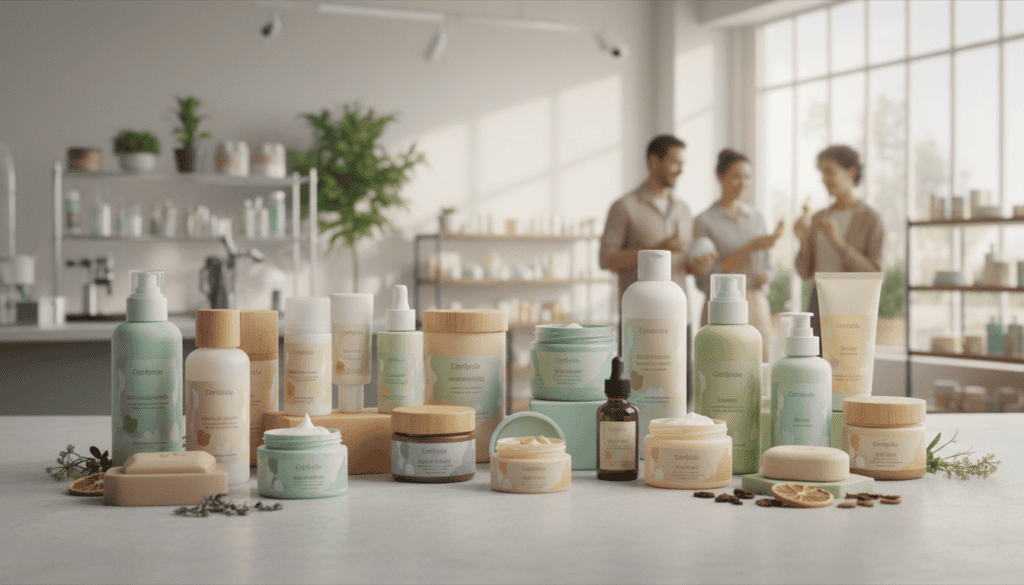
The global personal care market hit $483 billion in 2023, yet countless promising beauty and hygiene brands disappear within their first three years. What separates the success stories from the casualties isn’t just product quality—it’s strategic brand building that connects with consumers on both functional and emotional levels.

The CPG Personal Care Landscape: Where Opportunity Meets Challenge
Personal care Consumer Packaged Goods (CPG) represents one of the most competitive yet rewarding sectors in retail. From established giants like Procter & Gamble to indie darlings like Glossier, brands compete for precious shelf space and consumer mindshare in categories ranging from skincare and cosmetics to oral care and hair products.
Here’s the thing—success in personal care CPG isn’t just about creating great products anymore. Today’s consumers research ingredients, compare prices across platforms, and expect brands to reflect their values. They’re looking for authenticity, efficacy, and experiences that go beyond the product itself.
Market Dynamics Shaping the Industry
Several key trends are reshaping how personal care brands approach the market:
- Clean beauty movement: Consumers increasingly demand transparency in ingredients and manufacturing processes
- Personalization boom: Custom formulations and targeted solutions are becoming standard expectations
- Sustainability focus: Eco-friendly packaging and ethical sourcing influence purchasing decisions
- Digital-first discovery: Social media and influencer partnerships drive brand awareness more than traditional advertising
- Direct-to-consumer growth: Brands are building stronger customer relationships by selling directly
Brand Foundation: Beyond Pretty Packaging
Building a successful personal care brand starts with understanding that you’re not just selling products—you’re selling transformation, confidence, and lifestyle aspirations. Your brand foundation needs to address both functional benefits and emotional connections.
Defining Your Brand Purpose
Most businesses miss this crucial step: they jump straight to product development without clearly defining their brand’s why. Your purpose should answer what problem you’re solving and how you’re making people’s lives better. Dove’s “real beauty” campaign succeeded because it addressed self-esteem issues, not just soap quality.
Consider these essential brand foundation elements:
- Target customer persona: Go deeper than demographics—understand their routines, pain points, and aspirations
- Unique value proposition: What makes your approach different from the hundreds of alternatives?
- Brand personality: How would your brand communicate if it were a person?
- Visual identity: Colors, fonts, and design elements that reinforce your positioning
- Brand voice: The tone and style of all communications
The Power of Storytelling in Personal Care
Every successful personal care brand has a compelling origin story. Whether it’s a chemist who couldn’t find effective acne treatment or a parent seeking safer products for their family, authentic narratives resonate with consumers.
Your brand story should weave through every touchpoint—packaging design, website copy, social media content, and even product formulations. This consistency builds trust and helps customers remember your brand in a crowded marketplace.
Product Development Strategy: Function Meets Emotion
The reality is that product development in personal care requires balancing scientific efficacy with emotional appeal. Consumers want products that work, but they also want to feel good about using them.
Research-Driven Innovation
Successful brands invest heavily in understanding their customers’ actual needs, not just perceived wants. This involves:
- Customer surveys and focus groups
- Social media listening to identify pain points
- Competitor analysis to find market gaps
- Ingredient research and testing
- Regulatory compliance planning
Here’s what works: Start with a minimum viable product that addresses a specific problem exceptionally well. It’s better to perfect one solution than to launch multiple mediocre products.
Formulation and Quality Control
Quality control isn’t negotiable in personal care. Skin reactions, contamination issues, or inconsistent performance can destroy brand reputation overnight. Partner with reputable manufacturers who understand FDA regulations and can scale production as you grow.
Consider these quality factors:
- Stability testing across different climates and storage conditions
- Patch testing for skin sensitivity
- Packaging compatibility to prevent contamination
- Batch consistency protocols
- Supply chain backup plans

Marketing Strategy: Building Authentic Connections
Traditional advertising approaches don’t work as well in personal care anymore. Consumers trust peer reviews, influencer recommendations, and authentic user-generated content more than polished advertisements.
Digital Marketing That Actually Works
The most successful personal care brands use data-driven digital marketing strategies that feel authentic rather than pushy. This starts with understanding where your customers spend their time online and what content they engage with.
Key digital channels for personal care brands include:
- Instagram and TikTok: Visual platforms perfect for before/after content and tutorials
- YouTube: Long-form content for ingredient education and detailed reviews
- Pinterest: Inspiration and how-to content that drives purchase intent
- Email marketing: Personalized product recommendations and education
- Content marketing: SEO-optimized blog posts that answer customer questions
Influencer Partnerships Done Right
Influencer marketing in personal care isn’t about finding the biggest names—it’s about finding authentic voices that align with your brand values. Micro-influencers with engaged audiences often deliver better ROI than mega-influencers with millions of followers.
This might surprise you: The most effective influencer partnerships involve long-term relationships rather than one-off posts. When influencers genuinely use and love your products, their recommendations feel more authentic to their audience.
User-Generated Content and Community Building
Personal care is inherently personal, which makes customer testimonials and user-generated content incredibly powerful. Encourage customers to share their experiences through:
- Branded hashtags for social media campaigns
- Before/after photo contests
- Product review incentives
- Customer spotlight features
- Community forums or Facebook groups
Distribution Channels: Meeting Customers Where They Shop
The most successful personal care brands use an omnichannel approach, making their products available wherever customers prefer to shop. This might include traditional retail, online marketplaces, direct-to-consumer, and subscription models.
Retail Partnership Strategy
Getting into major retailers like Target, Sephora, or Ulta can accelerate growth, but it requires careful preparation. Retailers want to see proven demand, professional packaging, competitive pricing, and marketing support.
Before approaching retailers, establish:
- Strong direct-to-consumer sales data
- Professional product photography and marketing materials
- Competitive pricing strategy with adequate margins
- Reliable supply chain and fulfillment capabilities
- Marketing plans to drive traffic to retail locations
E-commerce Optimization
Your online presence needs to convert browsers into buyers. This means optimizing product pages with high-quality images, detailed descriptions, customer reviews, and clear calls-to-action.
Key e-commerce considerations include:
- Mobile-optimized website design
- Fast loading speeds and easy navigation
- Multiple payment options and secure checkout
- Clear return and exchange policies
- Customer service chat or support options
Data-Driven Growth: Measuring What Matters
Successful personal care brands obsess over metrics that actually correlate with business growth. Beyond basic sales numbers, track customer lifetime value, repeat purchase rates, and acquisition costs by channel.
Key Performance Indicators for Personal Care Brands
Focus on metrics that help you make better decisions:
- Customer acquisition cost (CAC) by channel: Which marketing efforts deliver the best ROI?
- Customer lifetime value (CLV): How much can you invest to acquire new customers?
- Repeat purchase rate: Are customers satisfied enough to buy again?
- Average order value: Are customers buying multiple products or just trying one?
- Social media engagement rates: Is your content resonating with your audience?
- Email marketing metrics: Open rates, click-through rates, and conversion rates
- Website conversion rates: How many visitors become customers?
Using Data for Product Development
Customer data should inform future product development decisions. Analyze reviews, support tickets, and survey responses to identify opportunities for new products or improvements to existing ones.
Here’s what smart brands do: They create feedback loops that continuously improve their offerings based on real customer experiences rather than assumptions.

Scaling Challenges and Solutions
Growing a personal care brand presents unique challenges around manufacturing, quality control, and maintaining brand authenticity as you expand into new markets and channels.
Manufacturing and Supply Chain Management
As demand grows, you’ll need to scale manufacturing while maintaining product quality and managing costs. This often means transitioning from small batch production to larger facilities, which requires careful planning and quality control protocols.
Consider these scaling factors:
- Manufacturer capacity and reliability
- Raw material supply chain stability
- Packaging sourcing and inventory management
- Quality control processes at scale
- Regulatory compliance across different markets
Team Building and Organizational Growth
The skills needed to launch a brand differ from those required to scale it. As you grow, you’ll need specialists in areas like digital marketing, retail partnerships, supply chain management, and regulatory compliance.
Most successful personal care brands prioritize hiring experts who understand the unique challenges of the industry rather than generalists who need extensive training.
Future-Proofing Your Personal Care Brand
The personal care industry continues evolving rapidly, driven by changing consumer preferences, new technologies, and regulatory updates. Brands that stay ahead of these trends are more likely to thrive long-term.
Emerging Trends to Watch
Several trends are shaping the future of personal care:
- Personalization technology: AI-driven product recommendations and custom formulations
- Sustainability innovations: Refillable packaging and waterless formulations
- Inclusive beauty: Products designed for diverse skin tones and types
- Men’s grooming expansion: Growing market for male-focused personal care
- Wellness integration: Products that bridge beauty and health benefits
- Technology integration: Apps and devices that enhance product effectiveness
Building Adaptability Into Your Brand
The most resilient personal care brands build flexibility into their business models from the start. This means choosing manufacturing partners who can adapt to new formulations, building customer relationships that transcend specific products, and maintaining financial flexibility to invest in new opportunities.
Conclusion: Your Path to Personal Care Success
Building a successful personal care brand requires more than great products—it demands strategic thinking, authentic marketing, and relentless focus on customer needs. The brands that thrive understand they’re not just selling beauty and hygiene products; they’re selling confidence, self-care rituals, and lifestyle aspirations.
The opportunity in personal care CPG remains enormous, but success requires careful planning, authentic brand building, and data-driven marketing strategies that connect with customers on emotional and functional levels.
At Beast Creative Agency, we’ve helped numerous personal care brands navigate these challenges through AI-enhanced campaigns that deliver measurable ROI while maintaining the authenticity consumers demand. Our certified specialists understand the unique dynamics of beauty and hygiene marketing, from influencer partnerships to retail launch strategies.
Ready to build a personal care brand that stands out in a crowded marketplace? Let’s discuss how strategic marketing can accelerate your growth while staying true to your brand’s authentic voice.