The global household cleaning products market reached $178.4 billion in 2023, yet most CPG brands still treat these essential items like luxury purchases. Consumer purchasing patterns for cleaning products follow unique psychological triggers that savvy marketers can tap into for sustained growth and market share dominance.

Understanding the CPG Landscape for Household Cleaning Products
The consumer packaged goods cleaning category operates differently than other household essentials. Unlike food or personal care items, cleaning products sit at the intersection of necessity and brand loyalty, creating unique opportunities for strategic positioning.
Here’s what makes this market distinctive: consumers develop deep emotional connections to cleaning brands based on efficacy, scent, and family traditions. A mother who grew up with Pine-Sol often passes that preference to her children, creating generational brand loyalty that’s incredibly valuable.
Market Dynamics Shaping Consumer Behavior
The cleaning products sector has experienced significant shifts in recent years. E-commerce sales jumped 40% between 2020-2023, while traditional retail channels saw modest growth of just 8%. This digital transformation isn’t just about convenience—it’s reshaping how consumers discover and evaluate cleaning products.
Smart CPG brands recognize these patterns:
- For repeat-purchase items like dish soap and laundry detergent, subscription models work exceptionally well in building predictable revenue streams
- Video content demonstrating product effectiveness drives 3x more conversions than static images
- Reviews and ratings carry more weight for cleaning products than almost any other CPG category
- Eco-friendly positioning commands premium pricing when backed by credible certifications
Strategic Positioning for Essential Home Goods
Most businesses miss this crucial point: cleaning products aren’t commodities—they’re solutions to specific problems. The brands that win understand the difference between selling bleach and selling peace of mind about germs.
Problem-Solution Alignment
Successful CPG strategies start with precise problem identification. Different consumer segments face distinct cleaning challenges:
Busy Professionals: Time-starved consumers want products that work quickly with minimal effort. They’ll pay premium prices for concentrated formulas or multi-surface cleaners that reduce the number of products needed.
Families with Children: Safety and effectiveness drive purchasing decisions. These consumers read ingredient lists carefully and respond well to pediatrician endorsements or child-safe certifications.
Environmentally Conscious Buyers: This growing segment prioritizes sustainability but won’t compromise on performance. They need proof that green products work as well as traditional alternatives.
Budget-Conscious Households: Value-seekers focus on cost-per-use rather than upfront price. Concentrate formulas and bulk sizes appeal to this demographic when positioned correctly.
Brand Differentiation Strategies
The reality is that many cleaning products share similar active ingredients. Differentiation happens through packaging, scent, marketing message, and brand experience. Here’s what works:
Sensory Branding: Scent creates powerful memory associations. Method’s unique fragrances helped the brand command premium pricing in a commodity category. The visual design of packaging also influences perceived effectiveness—consumers associate darker colors with stronger cleaning power.
Performance Guarantees: Confidence-building measures like money-back guarantees or “works in 30 seconds” claims reduce purchase risk. OxiClean built a massive brand around demonstration-based marketing that proved product effectiveness.
Convenience Innovation: Products that solve usage problems create competitive advantages. Clorox wipes succeeded not because they cleaned better than liquid cleaners, but because they eliminated the need for separate cleaning cloths.
Digital Marketing Strategies for CPG Success
Traditional CPG marketing relied heavily on television advertising and in-store displays. Today’s successful brands blend digital strategies with retail execution for maximum impact.
Content Marketing That Drives Sales
Educational content works exceptionally well for cleaning products because consumers often struggle with specific cleaning challenges. Smart brands become trusted advisors by providing genuinely helpful information.
Effective content strategies include:
- How-to guides: Step-by-step instructions for tackling tough stains or cleaning specific surfaces
- Seasonal content: Spring cleaning checklists, holiday preparation guides, or back-to-school organization tips
- Problem-solving videos: Quick demonstrations showing product effectiveness on real messes
- Ingredient education: Explaining what different chemicals do and when to use them safely
This approach builds brand authority while driving organic search traffic for high-intent keywords like “how to remove red wine stains” or “best disinfectant for bathrooms.”
Social Media Strategy for Cleaning Brands
Social platforms offer unique opportunities for cleaning product marketing, but the approach differs significantly from B2B or luxury goods strategies.
Instagram and TikTok: Before-and-after cleaning transformations generate massive engagement. #CleanTok has billions of views, with users sharing satisfying cleaning videos that often feature specific products. Brands can partner with cleaning influencers or create user-generated content campaigns.
Facebook: Detailed reviews, cleaning tips, and community building work well on Facebook. Many successful cleaning brands maintain active Facebook groups where users share tips and product recommendations.
YouTube: Long-form content like deep cleaning routines or product comparison videos perform well. This platform is ideal for demonstrating complex cleaning processes or explaining proper product usage.

Retail Strategy and Distribution
Even with growing e-commerce sales, physical retail remains crucial for cleaning products. Consumers often need these items immediately and prefer to see packaging before purchasing.
Multi-Channel Distribution Approach
Successful CPG brands use different channels strategically rather than treating all retail partners identically.
Big Box Retailers: Walmart, Target, and similar stores emphasize value positioning. Brands need competitive pricing and strong in-store merchandising to succeed in these environments.
Grocery Stores: Convenience drives purchases here. Eye-level shelf placement and end-cap displays significantly impact sales. Many consumers grab cleaning supplies during routine grocery trips rather than making special shopping trips.
Dollar Stores: This rapidly growing channel serves price-conscious consumers. Brands need smaller package sizes and ultra-competitive pricing to succeed here.
E-commerce: Amazon and direct-to-consumer sales allow for premium positioning and subscription models. Online channels also provide detailed customer data for refining marketing strategies.
Pricing Strategy Considerations
Cleaning product pricing involves complex psychological factors. Consumers associate higher prices with stronger cleaning power, but they also comparison shop for frequently purchased items.
Effective pricing strategies include:
- Cost-per-use messaging for concentrate formulas
- Bundle pricing for product families (bathroom cleaner + toilet bowl cleaner + shower spray)
- Premium positioning for specialty products (pet odor eliminators, natural ingredients)
- Value sizing for basic products purchased frequently
Innovation and Product Development
The cleaning products market continues evolving as consumer preferences shift toward sustainability, convenience, and health consciousness.
Sustainability Trends
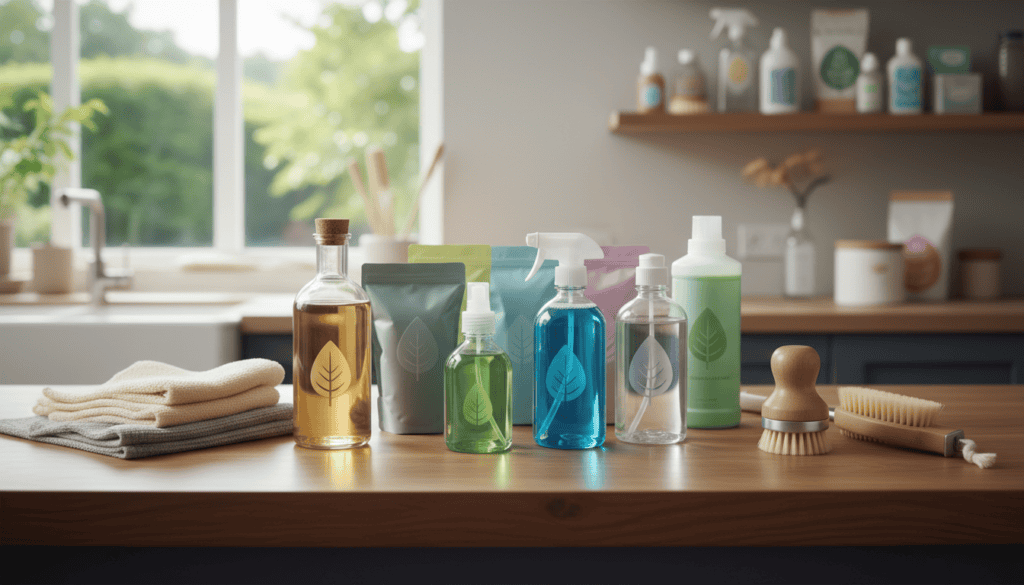
Environmental concerns drive significant innovation in cleaning products, with brands meeting growing demand for eco-friendly options through sustainable formulations and packaging. Consumers increasingly seek products with:
- Biodegradable ingredients that don’t harm waterways
- Concentrated formulas that reduce packaging waste
- Refillable packaging systems
- Plant-based ingredients instead of synthetic chemicals
- Minimal packaging using recycled materials
Brands like Blueland have built entire business models around sustainability, selling concentrated tablets that consumers mix with water in reusable bottles.
Technology Integration
Smart home technology creates new opportunities for cleaning product brands. IoT devices can monitor usage patterns and automatically reorder supplies. Some brands are developing app-connected dispensers that ensure optimal product dilution ratios.
Augmented reality applications help consumers visualize proper cleaning techniques or identify the right products for specific surfaces.
Consumer Psychology and Purchase Drivers
By understanding why consumers choose specific cleaning products, brands reveal opportunities for more effective marketing and product positioning.
Emotional Triggers in Cleaning Product Marketing
Cleaning isn’t just about removing dirt—it’s about creating safe, comfortable environments for families. Successful marketing taps into these deeper motivations:
Protection: Parents want to protect their families from germs and harmful chemicals. Marketing messages about “killing 99.9% of germs” or “safe around children and pets” address these concerns.
Pride: A clean home reflects well on the homeowner. Products that help achieve professional-level results appeal to this motivation.
Efficiency: Time-pressed consumers value products that work quickly or reduce cleaning time. “One-step” solutions or “no scrubbing required” formulas address this need.
Control: Cleaning provides a sense of control over the environment. This psychological benefit became especially important during health crises when cleaning routines increased significantly.
Building Brand Loyalty
Here’s the thing about cleaning products: once consumers find something that works, they’re reluctant to switch. This creates both opportunities and challenges for CPG marketers.
Established brands maintain loyalty through consistent performance and availability. New brands need compelling reasons for consumers to switch, such as:
- Superior performance on specific tasks
- Better value proposition
- Unique features or benefits
- Alignment with consumer values (sustainability, health, etc.)

Measuring Success and ROI
CPG marketing success requires tracking metrics that connect marketing activities to sales performance and brand building.
Key Performance Indicators
Effective measurement combines traditional retail metrics with digital marketing analytics:
Sales Metrics:
- Market share growth in target categories
- Velocity (sales per store per week)
- Distribution gains in key retail channels
- Average selling price and price premium maintenance
Marketing Metrics:
- Brand awareness and consideration studies
- Digital engagement rates and content performance
- Customer acquisition cost by channel
- Lifetime value for subscription or repeat purchasers
Consumer Metrics:
- Net Promoter Score and customer satisfaction ratings
- Purchase frequency and basket size analysis
- Brand switching studies and loyalty measurements
Future Outlook and Emerging Opportunities
The household cleaning products market continues evolving rapidly, creating new opportunities for innovative CPG strategies.
Emerging Trends to Watch
Several trends will shape the next phase of growth in cleaning products:
Personalization: Consumers want products tailored to their specific needs, home types, and preferences. Brands that can offer customized solutions or personalized recommendations will gain competitive advantages.
Health and Wellness Integration: Cleaning products increasingly position themselves as wellness products, emphasizing benefits like allergen reduction or antimicrobial protection.
Subscription Economy Growth: Regular delivery of essential cleaning supplies appeals to busy consumers. Successful subscription programs offer convenience, cost savings, and product customization.
Direct-to-Consumer Expansion: Brands can build stronger customer relationships and capture more value by selling directly rather than only through retail partners.
The brands that thrive will be those that understand these evolving consumer needs and adapt their strategies accordingly. Success requires balancing innovation with the fundamental requirement that cleaning products must simply work effectively.
Conclusion: Building Sustainable Growth in Essential Categories
The household cleaning products market offers tremendous opportunities for CPG brands willing to think strategically about consumer needs, distribution channels, and brand positioning. Success requires understanding that you’re not just selling cleaning supplies—you’re selling solutions that help people maintain safe, comfortable homes for their families.
The most effective strategies combine deep consumer insights with innovative product development, multi-channel distribution, and marketing that connects with real consumer motivations. Brands that can build trust through consistent performance while adapting to changing consumer preferences will capture market share in this essential category.
At Beast Creative Agency, we help CPG brands navigate these complex market dynamics with data-driven strategies that drive measurable growth. Our team combines deep industry expertise with innovative marketing approaches to help cleaning product brands build lasting competitive advantages in an increasingly crowded marketplace.