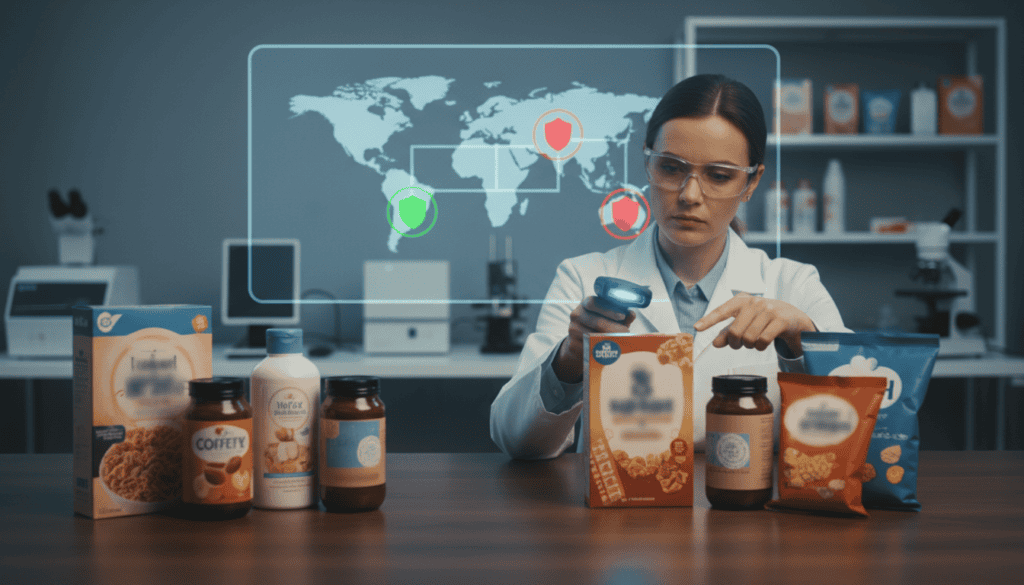
Consumer packaged goods brands lose billions annually because they misread what actually drives purchase decisions. While most CPG companies focus on demographic data and broad market trends, the real power in the consumer packaged goods industry lies in understanding the psychological triggers that make someone reach for your product over the competitor sitting right next to it on the shelf.

The Psychology Behind CPG Purchase Decisions
Understanding consumer behavior in the CPG space isn’t just about knowing who buys your product—it’s about understanding why they choose it in that split second at the shelf. Research shows that 70% of purchase decisions for consumer packaged goods happen at the point of sale, making this moment absolutely critical for brand success.
Here’s what makes CPG purchasing unique: unlike high-involvement purchases like cars or homes, consumers often make these decisions quickly, sometimes in under three seconds. This means traditional decision-making models don’t always apply.
Emotional vs. Rational Decision Making
The most successful CPG brands understand that even seemingly rational purchases—like choosing laundry detergent or breakfast cereal—are heavily influenced by emotional factors. Consumer neuroscience studies reveal that emotional response to a brand can influence purchase decisions up to three times more than the product’s functional attributes.
Key emotional drivers include:
- Brand familiarity and trust
- Packaging appeal and shelf presence
- Perceived value and quality signals
- Social validation and status considerations
- Nostalgia and personal connections
Primary Purchase Decision Drivers in CPG
Price Sensitivity and Value Perception
Price remains one of the strongest purchase drivers, but it’s not always about finding the cheapest option. Modern consumers evaluate value differently across categories and shopping contexts. A consumer might choose premium organic products for their family while selecting generic cleaning supplies.
Smart CPG brands segment their pricing strategy based on:
- Category involvement level
- Shopping mission (stock-up vs. immediate need)
- Consumer life stage and income
- Competitive landscape positioning
The key is understanding your specific category’s price elasticity and positioning accordingly. Most businesses miss this by applying one-size-fits-all pricing strategies across different consumer segments.
Brand Recognition and Loyalty
Brand loyalty in CPG operates on multiple levels. There’s active loyalty—where consumers deliberately seek out your brand—and passive loyalty, where they simply don’t switch away from what they know works. Both types drive repeat purchases, but they require different marketing approaches.
Active loyalty drivers include:
- Superior product performance
- Unique brand values alignment
- Exceptional customer experience
- Innovative product features
Passive loyalty often comes from habit formation and convenience. Once consumers establish a routine around your product, they’re likely to continue purchasing unless given a compelling reason to switch.
Convenience and Accessibility
Today’s consumers prioritize convenience more than ever. This goes beyond just product availability—it includes ease of finding products in-store, clear packaging information, and simple usage instructions.
Distribution strategy directly impacts purchase decisions. Products need to be available where and when consumers want to buy them. This might mean traditional retail, e-commerce platforms, subscription services, or emerging channels like social commerce.

The Role of Digital Influence in CPG Decisions
Understanding how digital touchpoints and online channels now influence over 80% of CPG purchases is critical, even when the final transaction happens in physical stores. Consumers research products online, read reviews, compare prices, and seek recommendations through social media before making purchase decisions.
Social Proof and Reviews
Online reviews and social media recommendations carry significant weight in CPG purchase decisions. A product with hundreds of positive reviews will often outperform competitors with better features but fewer testimonials.
Here’s what works in building social proof:
- Encouraging authentic customer reviews
- Showcasing user-generated content
- Partnering with relevant influencers
- Highlighting awards and certifications
- Sharing customer success stories
Content Marketing Impact
Educational content that helps consumers use products more effectively or understand category benefits can significantly influence purchase decisions. Recipe content for food brands, usage tips for personal care products, and lifestyle content that showcases products in context all drive consideration and trial.
The most effective CPG content strategies focus on providing genuine value rather than direct promotion. When consumers find your content helpful, they’re more likely to trust your brand when making purchase decisions.
Analyzing Consumer Behavior Data
Essential Metrics to Track
Understanding purchase decision drivers requires analyzing the right data points. Traditional metrics like sales volume and market share tell part of the story, but behavioral analytics provide deeper insights.
Critical behavioral metrics include:
- Purchase frequency and timing patterns
- Cross-category shopping behavior
- Response to promotional activities
- Digital engagement across touchpoints
- Customer lifetime value trends
This might surprise you: some of the most valuable insights come from analyzing when consumers don’t purchase, not just when they do. Understanding abandonment patterns and competitive switching behavior helps identify barriers to purchase.
Segmentation Strategies
Effective consumer behavior analysis requires moving beyond basic demographic segmentation. Behavioral segmentation based on purchase patterns, usage occasions, and decision-making styles provides more actionable insights.
Advanced segmentation approaches include:
- Occasion-based segmentation (different needs for different usage situations)
- Benefits-sought segmentation (what outcomes consumers prioritize)
- Loyalty status segmentation (new customers vs. repeat buyers)
- Price sensitivity segmentation (value-seekers vs. premium buyers)
Practical Application Strategies
Optimizing Product Positioning
Once you understand what drives purchase decisions in your category, you can optimize how you position your products. This includes everything from packaging design and shelf placement to marketing messages and pricing strategy.
The reality is that small changes in positioning can have significant impacts on purchase behavior. A simple change in package size, price point, or shelf location can dramatically affect sales performance.
Improving Customer Experience
Every touchpoint in the customer journey influences future purchase decisions. From initial product discovery through post-purchase experience, each interaction either strengthens or weakens the likelihood of repeat purchases.
Focus areas for experience optimization:
- Simplifying product selection and comparison
- Reducing friction in the purchase process
- Providing clear usage instructions and support
- Creating memorable unboxing experiences
- Following up with relevant additional value
Testing and Iteration
Consumer behavior changes over time, so what drives purchase decisions today might not work tomorrow. Regular testing of different approaches helps identify shifts in consumer preferences and market dynamics.
Effective testing strategies include A/B testing different marketing messages, trying various promotional approaches, experimenting with new channels, and continuously gathering consumer feedback.
Future Trends Shaping CPG Consumer Behavior
Several emerging trends are reshaping how consumers make CPG purchase decisions. Understanding these trends helps brands prepare for changing consumer expectations and market conditions.
Sustainability and Social Responsibility
How brands demonstrate sustainability and environmental commitment increasingly influences purchase decisions, especially among younger consumers who prioritize eco-friendly options. Brands that authentically demonstrate commitment to sustainability often command premium pricing and stronger loyalty.
However, sustainability claims must be genuine and verifiable. Consumers are becoming more sophisticated about identifying “greenwashing” and respond negatively to perceived inauthenticity.
Personalization and Customization
Technology enables more personalized product offerings and marketing messages. Consumers increasingly expect brands to understand their individual preferences and provide relevant recommendations and experiences.
This doesn’t always mean complex personalization technology. Sometimes it’s as simple as offering variety packs, customizable bundles, or targeted promotions based on purchase history.
Health and Wellness Focus
Health consciousness continues driving CPG purchase decisions across categories. This includes not just obvious health and beauty products, but also food, household products, and personal care items.
Transparency about ingredients, manufacturing processes, and health benefits becomes increasingly important for purchase consideration and trial.
Measuring Success and ROI
Understanding purchase decision drivers is valuable only if it leads to measurable business results. Successful CPG brands establish clear metrics for tracking the impact of behavioral insights on business performance.
Key performance indicators should include:
- Market share growth in target segments
- Customer acquisition costs and lifetime value
- Repeat purchase rates and loyalty metrics
- Share of wallet within relevant categories
- Brand awareness and consideration metrics
Here’s what works: connecting consumer behavior insights directly to financial outcomes helps justify continued investment in understanding and responding to consumer needs.
Conclusion
Understanding what drives CPG purchase decisions requires looking beyond surface-level demographic data to understand the deeper psychological, emotional, and contextual factors that influence consumer choices. The brands that succeed are those that combine data-driven insights with genuine understanding of human behavior and decision-making processes.
The key is moving from broad market generalizations to specific, actionable insights about your particular customers and category. This requires ongoing analysis, testing, and adaptation as consumer preferences and market conditions evolve.
For businesses ready to unlock the power of consumer behavior analysis, Beast Creative Agency offers AI-enhanced campaign strategies that combine deep behavioral insights with personalized marketing approaches. Our certified specialists help CPG brands identify and activate the specific purchase drivers that matter most for their target audiences, delivering measurable ROI through radical transparency and data-driven optimization.