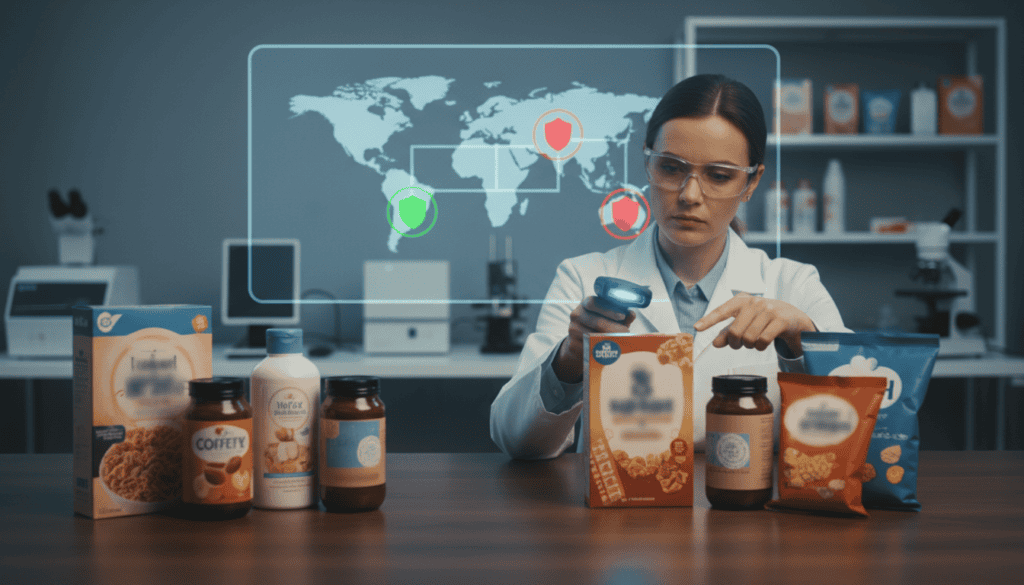
CPG brands that guess at consumer preferences lose an average of $1.2 million annually on failed product launches. The difference between market leaders and struggling brands isn’t luck—it’s their ability to decode what consumers actually want before competitors catch on. Smart market research transforms assumptions into actionable insights that drive real revenue growth.

The Foundation of Effective CPG Market Research
Market research in the CPG space isn’t just about asking people what they like. It’s about understanding the complex web of factors that influence purchasing decisions—from emotional triggers to practical considerations that happen in split seconds at the shelf.
Here’s what makes CPG research different: consumers often can’t articulate why they choose one product over another. They might say price matters most, then consistently pick the premium option. This disconnect between stated preferences and actual behavior is where most brands get tripped up.
The most successful CPG companies use multiple research methods to triangulate the truth. They don’t rely on a single survey or focus group. Instead, they build a complete picture using various approaches that capture both conscious preferences and subconscious behaviors.
Quantitative Research Methods That Deliver Results
Consumer Surveys and Questionnaires
Surveys remain the backbone of CPG research, but only when done right. Generic questionnaires that ask “Do you like our product?” won’t cut it. Effective surveys dig deeper into purchase motivations, usage occasions, and competitive preferences.
The key is asking specific, behavior-focused questions. Instead of “How important is price?”, try “When choosing between two similar products, what price difference would make you switch brands?” This approach reveals actual decision-making patterns rather than theoretical preferences.
Most businesses miss this: timing your surveys matters enormously. Catching consumers right after a purchase decision—when the experience is fresh—yields much more accurate data than surveys sent weeks later.
Point-of-Sale and Purchase Behavior Analysis
Your sales data tells stories that surveys can’t capture. Purchase patterns reveal seasonal trends, regional preferences, and the impact of promotional activities on consumer behavior.
Smart CPG brands analyze not just what sells, but when and where it sells. They track basket composition to understand which products consumers buy together. This data helps identify cross-selling opportunities and reveals how your product fits into consumers’ broader shopping missions.
Here’s what works: segment your sales data by customer type, purchase occasion, and seasonal patterns. Look for unexpected correlations—these often reveal untapped market opportunities.
Digital Analytics and Social Listening
Social media conversations provide unfiltered insights into consumer sentiment. Unlike formal research settings, people share honest opinions about products when talking to friends online.
Social listening tools can track brand mentions, competitor comparisons, and emerging consumer needs. Pay attention to the language consumers use to describe problems your product solves. This vocabulary becomes invaluable for marketing messaging that resonates.
The reality is that consumers often discuss product benefits and drawbacks more honestly on social platforms than they do in formal research settings. This makes social listening a goldmine for authentic consumer insights.

Qualitative Research Approaches for Deeper Understanding
Focus Groups and Consumer Panels
Focus groups get a bad reputation, but they’re incredibly valuable when used properly. The goal isn’t to make decisions based on eight people’s opinions—it’s to understand the “why” behind consumer choices.
Effective focus groups explore emotional connections to products. They reveal the stories consumers tell themselves about their purchases and the social pressures that influence brand selection.
Here’s the thing about running successful focus groups: the moderator makes or breaks the session. Skilled moderators probe beyond surface-level responses to uncover underlying motivations and concerns.
In-Depth Consumer Interviews
One-on-one interviews allow for deeper exploration of individual consumer journeys. These conversations can map the entire decision-making process, from problem recognition to post-purchase satisfaction.
The power of individual interviews lies in their ability to capture personal context. You learn how your product fits into someone’s daily routine, their family dynamics, and their personal values. This context is crucial for developing products and messaging that truly resonate.
Most brands don’t spend enough time understanding the emotional journey consumers experience with their products. In-depth interviews excel at capturing these emotional insights that drive long-term brand loyalty.
Ethnographic Studies and Observational Research
Sometimes the best insights come from watching consumers in their natural environment. Ethnographic research observes how people actually use products, not how they say they use them.
These studies often reveal usage occasions and product applications that brands never considered. They show the workarounds consumers create and the problems they encounter that surveys might miss.
The investment in ethnographic research pays off through product innovations and positioning strategies that competitors can’t easily replicate. You’re not just understanding preferences—you’re understanding lifestyles.
Advanced Market Research Techniques
Behavioral Economics and Choice Architecture
Understanding how consumers make decisions requires knowledge of cognitive biases and mental shortcuts. Behavioral economics research reveals why consumers don’t always make “rational” choices and how to design products and marketing that work with these tendencies.
Choice architecture studies examine how product placement, packaging design, and pricing structures influence selection. These insights directly translate into retail strategy and product development decisions.
This might surprise you: small changes in how choices are presented can dramatically impact purchase behavior. Understanding these dynamics gives CPG brands a significant competitive advantage.
Predictive Analytics and Machine Learning
Advanced analytics can identify patterns in consumer behavior that human analysis might miss. Machine learning algorithms can predict future purchasing trends based on current behavioral signals.
These tools excel at processing large datasets to identify micro-segments within your customer base. Each segment has distinct preferences and behaviors that require tailored marketing approaches.
The key is combining predictive analytics with traditional research methods. Data science reveals what’s happening, while qualitative research explains why it’s happening.
A/B Testing and Experimental Design
Testing different approaches with real consumers provides concrete evidence of what works. A/B testing can evaluate everything from package designs to pricing strategies to marketing messages.
Effective experimental design controls for variables that might skew results. The goal is to isolate the impact of specific changes so you can make confident decisions about scaling successful approaches.
Here’s what most brands get wrong: they don’t test bold enough differences. Small variations rarely produce meaningful insights. Test dramatically different approaches to understand the full range of consumer responses.
Integrating Multiple Research Methods for Complete Consumer Understanding
The most valuable insights come from combining different research approaches. Quantitative data shows what’s happening at scale, while qualitative research explains the motivations behind those patterns.
Start with broad quantitative studies to identify trends and patterns. Then use qualitative methods to explore the most interesting findings in depth. Finally, test your hypotheses through experimental approaches before making major business decisions.
Smart integration means using each method’s strengths while compensating for their limitations. Surveys capture broad patterns but miss emotional nuance. Interviews reveal deep insights but might not represent the broader market. Observational studies show real behavior but can’t explain motivations.

Translating Research Insights into Actionable Strategies
Research only creates value when it influences business decisions. The best insights are specific, actionable, and tied directly to business outcomes.
Transform research findings into clear recommendations for product development, marketing messaging, pricing strategies, and distribution decisions. Each insight should answer specific business questions and provide direction for future actions.
The reality is that many companies collect extensive research but struggle to turn insights into action. Create systems that connect research findings directly to business planning and decision-making processes.
Measuring the Impact of Your Research Investment
Track how research insights influence business performance. Monitor whether products developed based on consumer insights perform better in the market. Measure if marketing campaigns informed by research data achieve better engagement and conversion rates.
The goal isn’t just to understand consumers—it’s to use that understanding to build more successful products and more effective marketing. Research should ultimately drive measurable improvements in key business metrics.
Companies that can demonstrate clear ROI from their research investments are more likely to maintain budget support for ongoing consumer insights activities.
Conclusion: Building Your Consumer-Centric Research Strategy
Understanding your target consumer isn’t a one-time project—it’s an ongoing strategic advantage. The most successful CPG brands treat consumer research as a competitive weapon that informs every major business decision.
The key is building a research approach that combines multiple methods, focuses on actionable insights, and connects directly to business outcomes. Don’t just collect data—use it to make smarter decisions about product development, marketing, and growth strategies.
At Beast Creative Agency, we help CPG brands transform consumer insights into marketing campaigns that drive real results. Our AI-enhanced approach combines traditional research methods with advanced analytics to uncover the insights that matter most for your business growth. Ready to understand your consumers better than your competitors do?