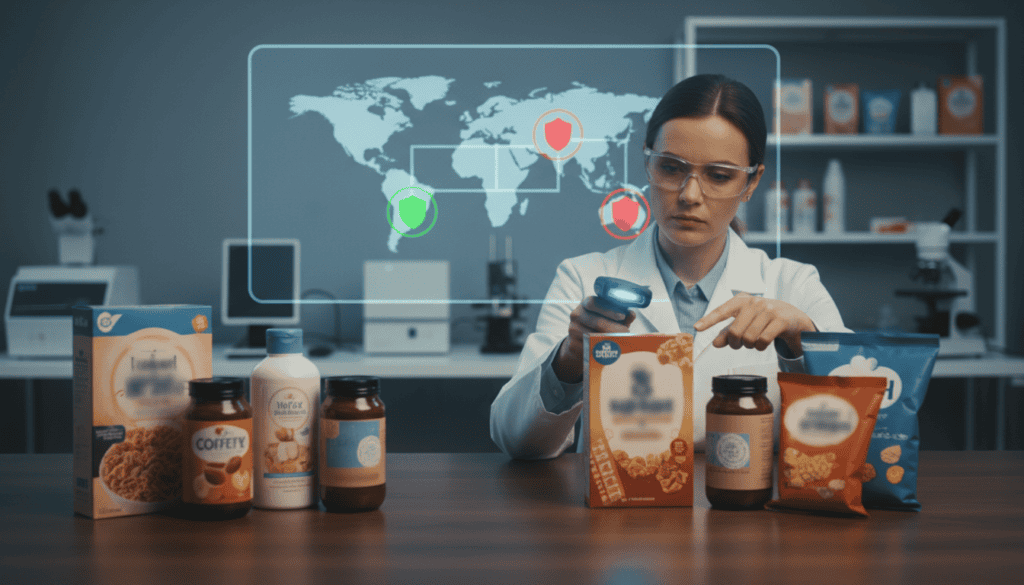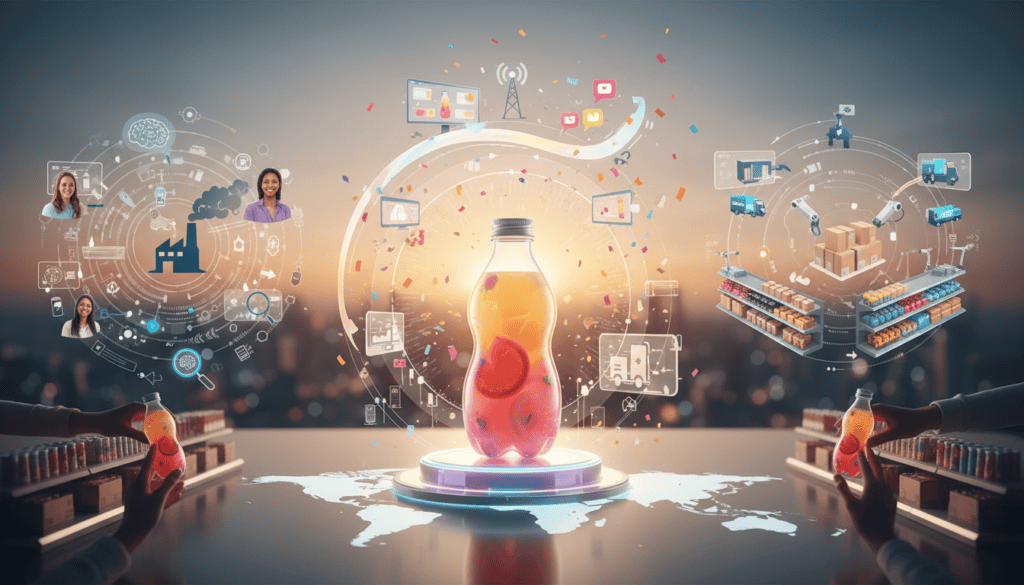
The consumer packaged goods industry sees a staggering 80% failure rate for new product launches, yet successful brands continue to capture market share worth billions. What separates the winners from the casualties? A strategic approach that treats market introduction as both art and science, backed by data-driven insights and flawless execution.

Understanding the CPG Launch Landscape
Consumer packaged goods face unique challenges that don’t exist in other industries. You’re not just competing for attention—you’re fighting for precious shelf space, consumer trust, and mind share in crowded categories where brand loyalty runs deep.
The modern CPG launch environment has shifted dramatically. Digital channels now account for over 40% of product discovery, while traditional retail relationships remain essential for distribution. This dual-channel reality means your launch strategy must work seamlessly across both digital and physical touchpoints.
Here’s what most brands get wrong: they treat launches as single events rather than ongoing campaigns. Successful market introductions require sustained momentum over 12-18 months, not just a big splash at launch.
Pre-Launch Market Research and Validation
Before you invest in production and marketing, you need bulletproof market validation. This goes beyond basic consumer surveys—you need deep behavioral insights.
Consumer Testing That Actually Predicts Success
Focus groups tell you what people think they’ll do. Purchase behavior data shows what they actually do. Smart CPG brands use both, but weight behavioral data more heavily.
Key validation metrics include:
- Purchase intent scores above 25% in top-two box ratings
- Repeat purchase probability based on product trial experiences
- Price sensitivity analysis to optimize positioning
- Competitive displacement rates showing which brands you’ll steal share from
Retail Partner Feedback
Your retail partners see hundreds of product pitches. Their skepticism is earned through experience. When category managers express concerns, listen carefully—they’re often highlighting real market barriers you haven’t considered.
The reality is that retail feedback during the pre-launch phase can save you months of struggle post-launch. Use their insights to refine everything from packaging to pricing.
Product Positioning and Brand Messaging
Most CPG brands make positioning too complicated. Consumers give you about three seconds to communicate value. Your positioning needs to be immediately clear and emotionally compelling.
The Three-Layer Messaging Framework
Effective CPG positioning works on three levels:
Functional Layer: What does your product do better than alternatives? This needs to be specific and measurable. “Cleans better” is weak. “Removes 99.9% of bacteria in 30 seconds” is strong.
Emotional Layer: How does your product make consumers feel? Confident? Cared for? Part of something bigger? This emotional connection drives brand loyalty beyond the initial purchase.
Social Layer: What does using your product say about the consumer? This matters more than most brands realize. People choose products that align with their identity and values.
Competitive Differentiation
You can’t be everything to everyone. Successful CPG launches pick one primary differentiator and own it completely. Secondary benefits support the main claim, but shouldn’t dilute the core message.
Here’s what works: audit your top three competitors’ messaging, then find the gap they’re not addressing. That gap is often your positioning opportunity.

Distribution Channel Strategy
Distribution makes or breaks CPG launches. You need the right products in the right places when consumers are ready to buy. This sounds simple but requires careful orchestration.
Omnichannel Distribution Planning
Modern consumers expect to find products everywhere—in stores, online, and through new channels like social commerce. Your distribution strategy needs to reflect this reality.
Channel priorities typically follow this hierarchy:
- Core retail partners where your target demographic shops most frequently
- E-commerce platforms including Amazon, brand.com, and retailer websites
- Specialty channels that reinforce your brand positioning
- Emerging channels like social commerce and subscription services
Inventory Management and Demand Forecasting
Nothing kills launch momentum like stockouts. But overproducing ties up capital and can lead to discounting that damages brand perception.
Smart CPG brands use rolling forecasts that account for seasonal variations, promotional lifts, and competitive responses. The key is building flexibility into your supply chain while maintaining service levels above 95%.
Marketing Campaign Development
CPG marketing campaigns need to work harder than other industries. You’re building awareness, driving trial, and establishing purchase habits—all while competing against established brands with bigger budgets.
Integrated Campaign Architecture
The most successful CPG launches use integrated campaigns that reinforce the same core messages across all touchpoints. This doesn’t mean identical creative—it means consistent value propositions adapted for each channel’s strengths.
Your campaign architecture should include:
- Awareness drivers like digital video, connected TV, and high-impact display
- Consideration builders such as content marketing, influencer partnerships, and search marketing
- Conversion catalysts including promotions, sampling programs, and retargeting
- Loyalty reinforcers like email marketing, social community building, and customer service excellence
Digital-First Approach
Digital channels offer precision and measurability that traditional media can’t match. This doesn’t mean abandoning TV or print—it means starting with digital insights and expanding strategically.
AI-enhanced campaigns now allow real-time optimization based on performance data. You can adjust messaging, targeting, and budget allocation continuously rather than waiting for campaign flights to end.
Launch Timeline and Execution
Timing can make the difference between launch success and failure. You need to coordinate multiple moving parts while maintaining flexibility for last-minute adjustments.
90-Day Launch Sprint
Most successful CPG launches follow a 90-day intensive execution period:
Days 1-30: Foundation Phase
- Final product delivery and quality checks
- Retail partner training and merchandising setup
- Marketing campaign soft launch and optimization
- Influencer and PR outreach activation
Days 31-60: Acceleration Phase
- Full marketing campaign launch
- Sampling and trial programs
- Customer feedback collection and analysis
- Performance monitoring and tactical adjustments
Days 61-90: Optimization Phase
- Campaign performance analysis and refinement
- Retail partner feedback incorporation
- Long-term strategy adjustments based on market response
- Planning for sustained growth phase
Cross-Functional Team Coordination
CPG launches require tight coordination between marketing, sales, operations, and customer service teams. Weekly alignment meetings during the launch period prevent small issues from becoming major problems.
Here’s the thing—most launch failures happen because of internal coordination breakdowns, not external market factors. Invest in project management tools and clear communication protocols.

Performance Measurement and KPIs
You can’t manage what you don’t measure. CPG launches generate massive amounts of data, but you need to focus on metrics that actually predict long-term success.
Leading Indicators
These metrics give you early signals about launch trajectory:
- Trial rates in the first 30 days
- Retail velocity compared to category averages
- Brand awareness lift in target demographics
- Customer acquisition cost across channels
- Share of voice in digital and social conversations
Lagging Indicators
These metrics confirm long-term viability:
- Repeat purchase rates at 60 and 90 days
- Market share capture in key retail accounts
- Customer lifetime value projections
- Brand health scores including consideration and preference
The most important metric? Repeat purchase rate at 90 days. If customers aren’t coming back, no amount of marketing will build a sustainable brand.
Post-Launch Optimization Strategies
The real work begins after launch. Market feedback reveals opportunities you couldn’t see during development. Smart brands use this intelligence to refine their approach continuously.
Rapid Response Protocols
When market response differs from projections, you need systems to respond quickly. This might mean adjusting messaging, reallocating media budgets, or even modifying product formulations based on consumer feedback.
Most businesses miss this opportunity because they stick too rigidly to original plans. The market is always right—your job is to adapt to its feedback.
Long-Term Brand Building
Launch success sets the foundation, but building a lasting CPG brand requires sustained investment in customer relationships. This means:
- Continuous product innovation based on user insights
- Community building around shared values and experiences
- Personalized marketing that recognizes individual customer preferences
- Exceptional customer service that turns problems into advocacy opportunities
Common Launch Pitfalls and How to Avoid Them
Even well-planned launches can stumble. Here are the most common mistakes and how to prevent them:
Underestimating Time-to-Market Impact
Delayed launches often face changed market conditions. Competitor responses, seasonal shifts, and consumer trend changes can all impact your positioning. Build buffer time into launch schedules and have contingency plans ready.
Inadequate Supply Chain Preparation
Success can be as challenging as failure. If your product takes off faster than expected, can your supply chain keep up? Plan for multiple demand scenarios, not just your base forecast.
Insufficient Marketing Investment
CPG categories are noisy. Breaking through requires sustained investment, not just launch-period spending. Many brands front-load marketing investment and then wonder why momentum dies after the first quarter.
Conclusion: Building Launch Success Into Long-Term Growth
Successful CPG product launches aren’t accidents—they’re the result of careful planning, flawless execution, and continuous optimization. The brands that win think beyond the launch event to build systems for sustained growth.
The key is treating your launch as the first chapter of a longer story, not a standalone event. Every touchpoint, every customer interaction, and every piece of market feedback becomes input for your ongoing brand-building efforts.
At Beast Creative Agency, we’ve guided numerous CPG brands through successful market introductions using AI-enhanced campaign strategies and radical transparency in performance measurement. Our certified specialists understand that today’s CPG landscape demands both creative excellence and data-driven precision. Ready to turn your product launch into a market success story? Let’s discuss how our personalized approach can deliver the ROI your brand deserves.