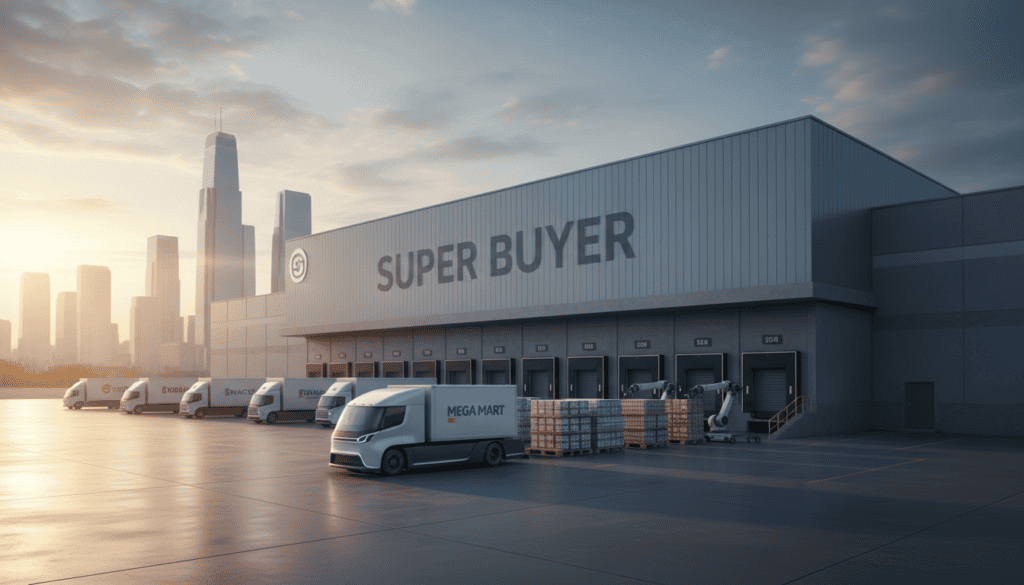
The retail landscape has shifted dramatically: Walmart now controls 24% of US grocery sales, while the top ten retailers command over 60% of total market share. This consolidation fundamentally changes how consumer packaged goods (CPG) brands must approach their go-to-market strategies and customer relationships.

The New Reality of CPG Retail
CPG brands today face a completely different playing field than they did just a decade ago. Where companies once managed relationships with hundreds of regional retailers, they now find themselves increasingly dependent on a handful of retail giants. This shift brings both opportunities and challenges that require strategic adaptation.
The numbers tell the story clearly. Amazon’s retail influence continues to grow, Target has strengthened its market position, and regional chains have either been acquired or struggled to compete. For CPG brands, this means fewer decision-makers control access to more consumers than ever before.
What Drove This Consolidation?
Several factors accelerated retail consolidation in recent years:
- Technology investments: Large retailers could afford advanced inventory management, data analytics, and e-commerce platforms
- Supply chain efficiency: Bigger players achieved better economies of scale in logistics and distribution
- Consumer preference shifts: Shoppers gravitated toward convenient, one-stop shopping experiences
- Market pressures: Smaller retailers couldn’t match the pricing power of larger competitors
- Pandemic acceleration: COVID-19 pushed more consumers toward established, reliable retail channels
How Fewer Customers Change Everything
When your customer base shrinks but individual customer value increases exponentially, every aspect of your business strategy needs recalibration. Here’s what changes most significantly:
Account Management Becomes Mission-Critical
You can’t afford to treat a customer who represents 15% of your revenue the same way you’d treat one who represents 1.5%. The stakes are simply too high.
Key account management now requires dedicated teams, not just dedicated representatives. These teams need deep expertise in the retailer’s business model, category strategies, and internal processes. They also need direct access to senior leadership within your organization.
Data and Analytics Take Center Stage
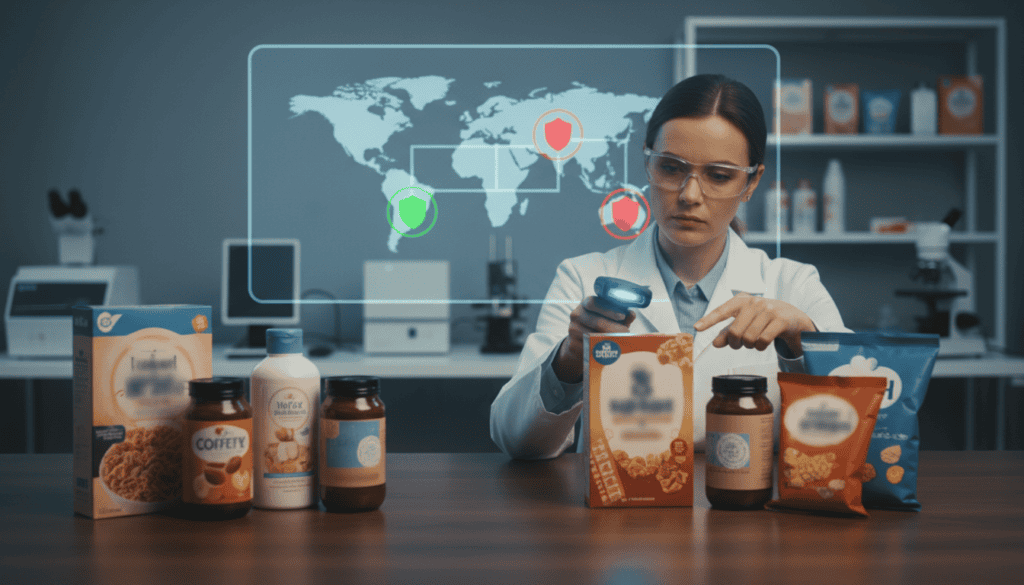
Large retailers don’t just want your products – they want your insights. They expect CPG partners to provide sophisticated market analysis, consumer behavior data, and category optimization recommendations.
This means investing in robust data collection and analysis capabilities. You need to understand not just how your products perform, but how they influence overall category performance and customer shopping patterns.
Innovation Requirements Intensify
When shelf space is limited and competition is fierce, innovation becomes your primary differentiator. But innovation in a consolidated retail environment looks different:
- Product launches need retailer buy-in early in the development process
- Innovation must solve problems for both consumers and retailers
- Speed to market becomes even more critical
- Failure rates need to decrease because second chances are harder to get

Strategic Adaptations for Success
Develop Retailer-Specific Strategies
The days of one-size-fits-all retail strategies are over. Each major retailer has distinct customer demographics, shopping patterns, and strategic priorities. Your approach to Walmart should differ significantly from your approach to Target or Amazon.
This might mean creating different product assortments, packaging variations, or even unique formulations for different retail partners. It definitely means understanding each retailer’s internal metrics and optimizing your performance against them.
Invest in Technology Integration
Large retailers increasingly expect seamless technology integration with their suppliers. This includes:
- Real-time inventory management systems
- Automated ordering and replenishment
- Integrated promotional planning tools
- Shared analytics platforms
- Electronic data interchange (EDI) capabilities
These investments can be substantial, but they’re often non-negotiable for maintaining preferred supplier status.
Build Deeper Organizational Relationships
When you’re working with fewer customers, relationship depth matters more than breadth. This means connecting not just at the buyer level, but across multiple functions:
- Category management teams
- Marketing and merchandising departments
- Supply chain and logistics groups
- Store operations teams
- E-commerce divisions
Each relationship requires nurturing and provides different insights into the retailer’s strategic direction.
Managing Increased Risk
The Concentration Challenge
Having fewer, larger customers creates concentration risk that can be business-threatening. If a major retailer decides to discontinue your products or reduce shelf space allocation, the impact on your revenue can be severe.
Risk mitigation strategies include:
- Diversifying within retailer relationships (multiple product lines, multiple categories)
- Building strong performance metrics that make you difficult to replace
- Developing contingency plans for various scenarios
- Maintaining some smaller retail relationships to provide balance
Negotiating From a Position of Strength
Large retailers have significant leverage, but that doesn’t mean CPG brands are powerless. Building negotiating strength requires:
- Brand strength: Strong consumer demand gives you negotiating power
- Category leadership: Being the #1 or #2 brand in your category provides protection
- Innovation pipeline: Continuous innovation makes you valuable to retailers
- Operational excellence: Flawless execution reduces retailer risk in working with you
The Marketing Implications
Shift from Trade Marketing to Shopper Marketing
Traditional trade marketing focused on getting products into stores. Today’s environment requires a more sophisticated approach that drives products out of stores and into consumers’ hands.
This means understanding the complete shopper journey, from initial awareness through purchase and repurchase. It also means creating marketing programs that work for both consumers and retail partners.
Digital Integration Becomes Essential
Most major retailers now have significant digital components to their business, whether through e-commerce, digital advertising, or mobile apps. CPG brands need marketing strategies that work across all these touchpoints.
This requires new capabilities in:
- E-commerce optimization (product pages, search, recommendations)
- Digital advertising (both on and off retailer platforms)
- Social commerce integration
- Mobile-first shopping experiences

Operational Excellence as a Competitive Advantage
Supply Chain Reliability
Large retailers operate on thin margins and can’t afford supply disruptions. CPG brands that consistently deliver on time, in full, and with accurate documentation become preferred partners.
This requires investment in:
- Demand forecasting capabilities
- Supply chain visibility and control
- Quality management systems
- Crisis management and contingency planning
Data-Driven Decision Making
Large retailers make decisions based on data, not relationships. This means CPG brands need robust analytics capabilities to support their recommendations and defend their shelf space.
Key metrics to track and optimize include:
- Inventory turns and days of supply
- Sales per square foot of shelf space
- Market share growth within the retailer
- Consumer satisfaction and repeat purchase rates
- Cross-category influence and basket impact
Building for the Future
The trend toward retail consolidation isn’t reversing. If anything, it’s likely to continue as technology costs increase and consumer expectations rise. CPG brands that adapt successfully to this new reality will be those that:
- Invest in deep retailer relationships and expertise
- Build flexible, responsive operational capabilities
- Develop sophisticated data and analytics competencies
- Create innovation processes that include retail partners
- Maintain strong brand equity with end consumers
The companies that thrive won’t be those that simply accept their reduced bargaining power, but those that find new ways to create value for their retail partners while building stronger connections with consumers.
Making the Transition
Adapting to retail consolidation isn’t just about strategy – it’s about execution. This transformation requires changes across your organization, from sales and marketing to supply chain and finance.
The most successful transformations we’ve seen share common characteristics:
- Strong leadership commitment and clear communication about the changes
- Investment in new capabilities before they become critical
- Cross-functional collaboration that breaks down traditional silos
- Continuous learning and adaptation as the retail environment evolves
The reality is that retail consolidation creates both challenges and opportunities. Companies that adapt quickly and thoughtfully will find themselves with stronger, more profitable customer relationships. Those that don’t risk becoming marginalized in an increasingly competitive landscape.
At Beast Creative Agency, we help CPG brands navigate these complex retail relationships through data-driven marketing strategies that work for both consumers and retail partners. Our AI-enhanced campaigns and personalized approach help brands maintain relevance and drive growth in the consolidated retail environment. Ready to adapt your marketing strategy for fewer, larger customers? Let’s discuss how our certified specialists can help you build stronger retail partnerships while driving consumer engagement.