Nearly 73% of CPG brands that undergo strategic rebranding see measurable sales growth within 18 months, yet most consumer packaged goods companies hesitate to refresh their brand identity. The fear of losing customer recognition often paralyzes decision-makers, causing them to miss critical opportunities for market expansion and competitive advantage.

Understanding CPG Brand Refresh vs. Complete Rebranding
Before diving into when and how to refresh your CPG brand, it’s essential to understand the spectrum of brand changes available to you. A brand refresh isn’t the same as a complete rebrand—and knowing the difference can save you time, money, and customer confusion.
Brand Refresh: The Strategic Update
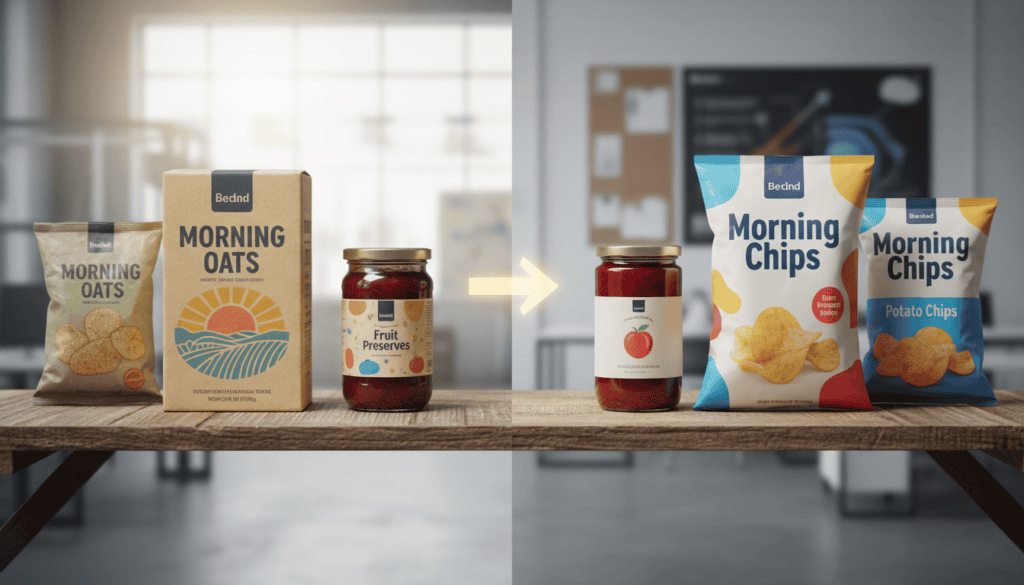
A brand refresh involves updating specific elements of your existing brand while maintaining its core identity. Think of it as giving your brand a modern makeover rather than plastic surgery. This might include:
- Updating your logo design or color palette
- Refreshing packaging aesthetics
- Modernizing your brand voice and messaging
- Updating product photography and visual style
- Refining your target audience positioning
Complete Rebranding: The Total Transformation
Complete rebranding means starting from scratch—new name, new identity, new everything. This approach is riskier but sometimes necessary when your current brand has fundamental issues or when you’re pivoting to an entirely new market.
When Your CPG Brand Needs a Refresh
Recognizing the right time for a brand refresh requires honest assessment of your market position and business performance. Here are the key indicators that signal it’s time for change:
Market Performance Indicators
Your sales data tells a story. If you’re seeing consistent decline in market share despite stable or growing category performance, your brand might be losing relevance. Here’s what to watch for:
- Declining shelf velocity: Your products aren’t moving as quickly as they used to
- Lost retail partnerships: Stores are dropping your products or reducing shelf space
- Increasing price sensitivity: Customers only buy during promotions or deep discounts
- Competitor gains: Similar products are consistently outperforming yours
Consumer Perception Shifts
Sometimes the market changes faster than brands can keep up. Consumer research and social listening can reveal when your brand perception no longer matches your intended positioning:
- Your brand feels outdated compared to newer competitors
- Target demographics have shifted, but your brand hasn’t evolved
- Consumer values have changed (sustainability, health, social responsibility)
- Your brand personality doesn’t resonate with current market preferences
Business Evolution Triggers
Internal changes often necessitate external brand updates. Consider a refresh when you’re:
- Expanding into new product categories
- Targeting new demographic segments
- Entering international markets
- Recovering from negative publicity or product issues
- Consolidating multiple product lines under one brand

The Strategic Approach to CPG Brand Refresh
Success in CPG rebranding requires a methodical approach that balances innovation with brand equity preservation. Here’s how to navigate this process effectively:
Phase 1: Research and Discovery
Before changing anything, you need to understand what’s working and what isn’t. This research phase sets the foundation for all future decisions.
Consumer Insights Gathering
Start with your existing customers. Survey them about brand perception, purchase drivers, and emotional connections to your products. Focus groups can provide deeper insights into how consumers really feel about your brand versus how they think they should feel about it.
Don’t forget about lost customers. Exit interviews or surveys with people who’ve switched to competitors can reveal painful but valuable truths about your brand’s weaknesses.
Competitive Landscape Analysis
Map out your competitive set, but think broadly. Your competition includes not just direct product competitors but any brands competing for the same consumer need or occasion. Analyze their positioning, visual identity, messaging, and market performance.
Brand Equity Audit
What aspects of your current brand have real value? This might include:
- Brand recognition and recall levels
- Positive associations or attributes
- Loyal customer segments
- Distinctive brand assets (colors, fonts, imagery, taglines)
- Heritage or story elements that resonate
Phase 2: Strategic Planning
With research in hand, you can now make informed decisions about your refresh strategy.
Defining Your New Brand Position
Your brand position should be the North Star for all refresh decisions. It needs to be:
- Relevant to your target consumers
- Differentiated from competitors
- Credible based on your product delivery
- Sustainable for long-term growth
This might involve shifts in how you talk about benefits, which consumer segments you prioritize, or how you frame your brand personality.
Refresh Scope Definition
Based on your research and strategic goals, determine which brand elements need updating:
- Visual identity: Logo, colors, typography, photography style
- Packaging design: Structure, graphics, information hierarchy
- Brand voice: Tone, messaging themes, communication style
- Product portfolio: SKU rationalization, new product development
- Channel strategy: Retail partnerships, direct-to-consumer presence
Phase 3: Creative Development
Now comes the fun part—bringing your new brand strategy to life through creative execution.
Visual Identity Evolution
Your visual refresh should feel like a natural evolution, not a jarring change. Start with your logo and core brand elements, ensuring they work across all applications from packaging to digital platforms.
Consider how your new identity will look on shelf next to competitors. CPG success often comes down to split-second purchase decisions, so your visual identity needs to work hard in retail environments.
Packaging Redesign Strategy
Package design in CPG serves multiple functions—protection, information communication, brand expression, and shelf appeal. Your refresh needs to optimize for all of these while staying true to your new brand strategy.
Test packaging concepts with consumers early and often. What looks great in presentations might not perform in actual shopping situations.
Phase 4: Implementation and Launch
Rolling out your brand refresh requires careful coordination across multiple touchpoints and stakeholders.
Stakeholder Alignment
Everyone involved in your brand needs to understand the changes and reasoning behind them:
- Sales teams need talking points for retail partners
- Customer service needs to handle consumer questions
- Marketing teams need updated brand guidelines
- Production needs new packaging specifications and timelines
Phased Rollout Strategy
You don’t have to change everything at once. Consider a phased approach that might include:
- Starting with new products or limited editions
- Testing in specific geographic markets
- Rolling out across product lines systematically
- Coordinating with natural packaging refresh cycles
Common Pitfalls to Avoid
Even well-intentioned brand refreshes can go wrong. Here are the mistakes that can derail your efforts:
Changing Too Much Too Fast
Brand equity takes years to build but can be destroyed quickly. Dramatic changes can confuse loyal customers and make your products harder to find on shelf. Evolution beats revolution in most CPG categories.
Ignoring Retailer Concerns
Your retail partners have invested in learning about your brand and training their teams. Sudden changes without proper communication and support can damage these crucial relationships.
Underestimating Implementation Complexity
CPG brand refreshes involve coordinating changes across packaging, marketing materials, digital assets, trade shows, sales presentations, and more. Start planning implementation logistics early in the process.
Failing to Measure Results
Set up tracking systems before you launch so you can measure the impact of your changes. Key metrics might include brand awareness, purchase intent, sales velocity, and consumer sentiment.

Measuring Brand Refresh Success
Your refresh investment needs to show returns. Here’s how to track progress and optimize your new brand positioning:
Short-term Metrics (0-6 months)
- Consumer recognition of new brand elements
- Initial trial rates and repeat purchases
- Retailer acceptance and shelf space maintenance
- Social media engagement and sentiment
- Website traffic and conversion improvements
Long-term Metrics (6+ months)
- Market share growth
- Brand equity improvements
- Customer lifetime value increases
- Premium pricing acceptance
- Category expansion success
The Future of CPG Brand Management
Consumer preferences change faster than ever, and successful CPG brands need to be ready for continuous evolution. The most successful refreshes aren’t one-time projects but part of ongoing brand management that keeps pace with market changes.
This means building flexibility into your brand architecture from the start. Create brand guidelines that can accommodate future changes while maintaining core equity. Establish regular brand health monitoring so you can spot issues before they become crises.
Technology also offers new opportunities for brand expression and consumer connection. From augmented reality packaging experiences to personalized product offerings, the tools available for brand differentiation continue to expand.
Making Your Brand Refresh Decision
A successful CPG brand refresh requires more than good creative work—it demands strategic thinking, consumer insights, and flawless execution. The brands that thrive are those that refresh proactively rather than reactively, staying ahead of market changes while preserving the equity they’ve built over time.
The question isn’t whether your brand will need to evolve, but whether you’ll manage that evolution strategically or let market forces make the decision for you. With proper planning and execution, a brand refresh can reinvigorate your business and set you up for sustained growth in competitive CPG markets.
At Beast Creative Agency, we’ve guided numerous CPG brands through successful refreshes using our AI-enhanced campaign strategies and data-driven approach. Our certified specialists understand the unique challenges of consumer packaged goods marketing and can help you navigate your brand evolution with radical transparency and measurable results. Ready to explore what a strategic brand refresh could do for your CPG business?