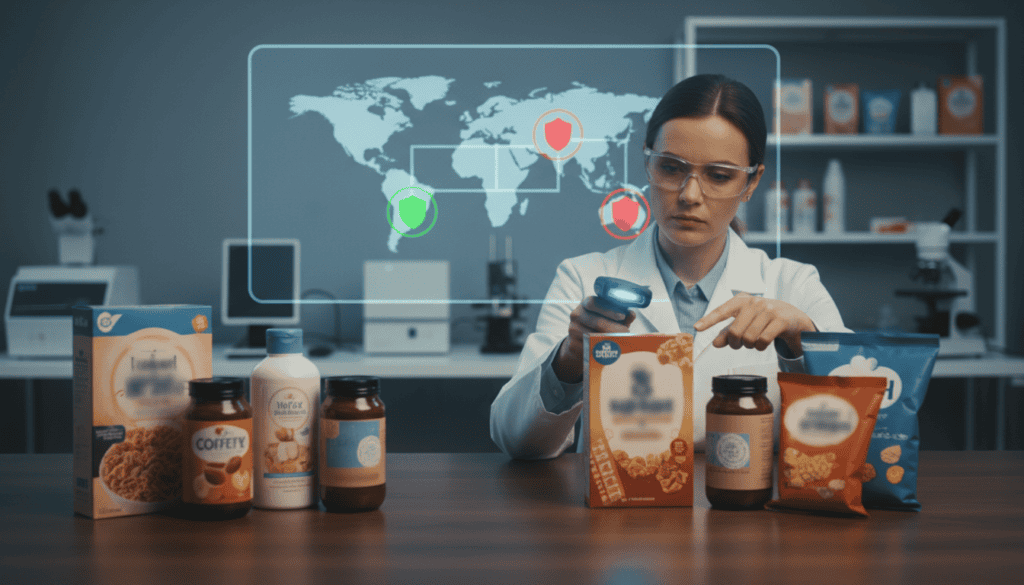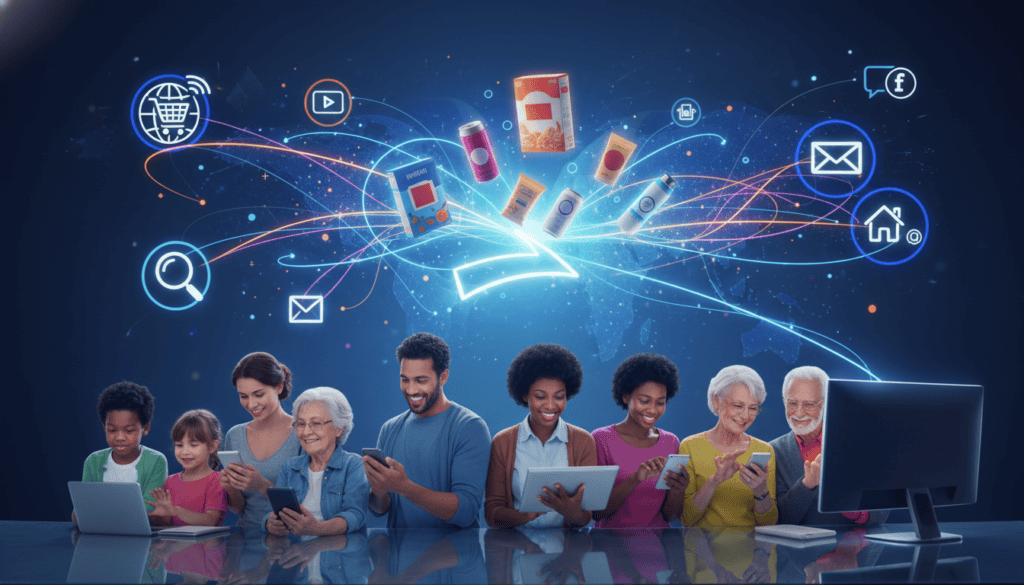
Consumer packaged goods brands face a complex puzzle: their customers are everywhere online, but scattered across dozens of platforms with different behaviors, preferences, and shopping patterns. Unlike B2B companies with predictable buyer journeys, CPG marketers must master the art of meeting consumers wherever they happen to be scrolling, searching, or shopping. The brands that crack this code don’t just survive the digital shift—they dominate shelf space both virtual and physical.

The Modern CPG Consumer: A Moving Target
Today’s CPG consumers don’t follow linear paths to purchase. They might discover your product through a TikTok video, research it on Amazon, compare prices on Google Shopping, read reviews on your website, then finally buy it at their local grocery store. This fragmented journey means your digital marketing strategy needs to work harder and smarter than ever before.
Here’s what makes CPG digital marketing particularly challenging: you’re often competing against hundreds of similar products, dealing with low consideration purchases, and working with slim margins that make every marketing dollar count. The brands that succeed understand that reaching modern consumers isn’t about being everywhere—it’s about being in the right places with the right message at the right time.
Understanding the Multi-Channel Consumer Journey
The average CPG purchase involves 3-7 touchpoints across different channels. A consumer might see your Instagram ad on Monday, encounter your product placement in a YouTube video on Wednesday, then notice your brand during their Saturday grocery run. Each touchpoint needs to reinforce your brand message while serving the consumer’s needs at that specific moment in their journey.
Smart CPG brands map out these touchpoints by understanding consumer behavior and purchase decision drivers, then create content that works at each stage. They don’t just push product features—they provide value, entertainment, or solutions that make consumers want to engage with their brand repeatedly.
Search Marketing: Capturing Intent at the Moment of Need
When someone searches for “best organic baby food” or “gluten-free pasta brands,” they’re showing clear purchase intent. Search marketing for CPG brands requires a different approach than other industries because you’re often competing against generic terms, store brands, and established market leaders with bigger budgets.
SEO Strategy for CPG Brands
Most CPG companies miss this: SEO isn’t just about ranking for your product category. The real opportunity lies in capturing searches around problems your product solves, recipes that use your ingredients, or lifestyle content that naturally incorporates your brand.
Here’s what works:
- Problem-solution content: Create content around the problems your product solves rather than just product features
- Recipe and usage content: Show consumers how to use your products in their daily lives
- Comparison content: Help consumers understand why your product is better than alternatives
- Local SEO: Optimize for “near me” searches and store locator functionality
- Voice search optimization: Many CPG searches happen through smart speakers and voice assistants
Paid Search Tactics That Drive Results
Google Ads for CPG brands should focus on high-intent keywords while being smart about budget allocation. You can’t compete with Amazon’s budget for generic terms, but you can dominate specific niches, local markets, and problem-focused searches.
The most effective CPG paid search campaigns use:
- Shopping campaigns with high-quality product images and competitive pricing
- Brand defense campaigns to protect against competitor bidding
- Local campaigns to drive in-store purchases
- Video campaigns on YouTube to capture attention during product research
Social Media: Building Communities Around Your Brand
Social media marketing for CPG brands isn’t about posting product shots and hoping for engagement. The brands that win on social create communities around lifestyles, values, or interests that naturally align with their products.
Platform-Specific Strategies
Instagram remains the visual showcase for CPG brands, but success requires more than pretty product photos. User-generated content, behind-the-scenes stories, and lifestyle integration drive the highest engagement. The key is showing your product as part of a desirable lifestyle rather than just another item on a shelf.
TikTok has become a discovery engine for CPG products, especially among younger consumers. Brands that succeed here focus on entertainment first, product promotion second. They partner with creators who can naturally integrate products into engaging content that doesn’t feel like advertising.
Facebook still drives significant CPG sales, particularly for established brands with older demographics. The platform excels at detailed targeting based on shopping behaviors, life events, and interests. Facebook’s shopping features also create seamless paths from discovery to purchase.
Pinterest functions as a visual search engine where consumers discover products while planning meals, events, or home projects. CPG brands that create inspirational content around product usage—recipes, party ideas, wellness tips—see consistent traffic and conversions.
Influencer Marketing That Actually Works
Influencer marketing in the CPG space has evolved beyond simple product placements. The most effective partnerships involve influencers who genuinely use and love your products, can create authentic content around them, and have audiences that match your target demographics.
Micro-influencers (1,000-100,000 followers) often deliver better results than mega-influencers for CPG brands because they have higher engagement rates and more authentic relationships with their audiences. A food blogger with 10,000 engaged followers talking about your sauce in their weekly meal prep content can drive more sales than a celebrity post that gets lost in the noise.

E-commerce Integration: Meeting Consumers Where They Shop
Modern consumers expect to buy CPG products wherever they discover them, which is why developing a robust CPG e-commerce strategy across multiple platforms has become essential for brand growth. This means your digital marketing needs to integrate seamlessly with multiple e-commerce platforms and drive both online and offline sales.
Amazon Marketing Strategy
For most CPG brands, Amazon isn’t optional—it’s where consumers expect to find and purchase your products. Amazon marketing requires specific tactics:
- Optimized product listings with keyword-rich titles and comprehensive descriptions
- Amazon PPC campaigns that target both your brand terms and competitor keywords
- Enhanced Brand Content that tells your brand story within Amazon’s ecosystem
- Review management and customer service that builds long-term brand loyalty
- Amazon DSP advertising that reaches consumers both on and off Amazon
Direct-to-Consumer Opportunities
While retail partnerships remain crucial for CPG brands, direct-to-consumer sales offer higher margins and valuable customer data. Your digital marketing should drive traffic to your own e-commerce platform where you can:
- Collect first-party data for better targeting and personalization
- Offer exclusive products or bundles not available in stores
- Create subscription models for repeat purchases
- Build direct relationships with your best customers
- Test new products with engaged audiences
Data-Driven Personalization at Scale
The most successful CPG digital marketing campaigns use data to deliver personalized experiences across all touchpoints. This doesn’t mean complicated AI systems—it means using customer data intelligently to show the right products to the right people at the right time.
First-Party Data Collection
With third-party cookies disappearing, CPG brands need to focus on collecting and using first-party data. This includes:
- Email sign-ups for recipes, tips, or exclusive offers
- Quiz tools that recommend products based on preferences or needs
- Loyalty programs that reward repeat purchases
- Social media engagement and user-generated content
- Website behavior and purchase history
Marketing Automation for CPG
Marketing automation helps CPG brands maintain consistent communication with consumers while personalizing messages based on behavior and preferences. Effective automation includes:
- Welcome series for new customers that introduce your brand story
- Abandoned cart sequences for e-commerce visitors
- Replenishment reminders based on typical usage patterns
- Cross-sell campaigns that suggest complementary products
- Re-engagement campaigns for lapsed customers
Content Marketing That Drives Purchase Decisions
Content marketing for CPG brands should focus on being helpful first, promotional second. The goal is to become a trusted resource that consumers turn to for advice, inspiration, or entertainment related to your product category.
Types of Content That Convert
Educational content helps consumers make better purchasing decisions while positioning your brand as an expert. This might include ingredient guides, usage tips, or industry insights that demonstrate your knowledge and build trust.
Recipe and usage content shows consumers how to incorporate your products into their lives. This content performs well across multiple channels and provides natural opportunities for product integration.
Behind-the-scenes content humanizes your brand and builds emotional connections with consumers. This might include manufacturing processes, farmer stories, or company culture content that differentiates your brand from competitors.
User-generated content provides social proof while reducing content creation costs. Encourage customers to share photos, reviews, or stories about your products, then amplify the best content across your marketing channels.
Video Content Strategy
Video content drives higher engagement and conversion rates across all digital channels. For CPG brands, effective video content includes:
- Product demonstrations that show benefits clearly and quickly
- Recipe videos that integrate your products naturally
- Customer testimonials that provide authentic social proof
- Educational content that positions your brand as helpful and trustworthy
- Behind-the-scenes content that builds brand affinity

Measuring Success Across Multiple Channels
CPG digital marketing success requires tracking metrics beyond simple clicks and impressions. You need to understand how digital marketing drives both online and offline sales, builds brand awareness, and influences long-term customer value.
Key Performance Indicators
The most important CPG digital marketing metrics include:
- Brand lift: Changes in brand awareness, consideration, and preference
- Share of voice: Your brand’s presence compared to competitors across digital channels
- Customer acquisition cost: Total marketing spend divided by new customers acquired
- Customer lifetime value: Long-term revenue from each customer relationship
- Retail partner performance: How digital marketing drives sales through retail channels
- Attribution modeling: Understanding which touchpoints contribute to conversions
Cross-Channel Attribution
Most CPG purchases involve multiple touchpoints across different channels and devices. Attribution modeling helps you understand which marketing efforts are actually driving sales so you can allocate budget more effectively.
This might surprise you: the social media ad that seems to have low conversion rates might actually be crucial for introducing consumers to your brand, while the search ad that gets credit for the sale was just the final touchpoint in a longer journey.
Future Trends Shaping CPG Digital Marketing
The CPG digital marketing landscape continues evolving rapidly. Brands that want to stay competitive need to prepare for emerging trends and technologies.
Voice Commerce and Smart Shopping
Voice shopping through Alexa, Google Home, and other smart speakers is growing rapidly, especially for repeat CPG purchases. Brands need to optimize for voice search queries and consider how their products will be discovered and purchased through voice interfaces.
Augmented Reality Experiences
AR technology allows consumers to visualize products in their homes, try on cosmetics virtually, or access additional product information by scanning packages. These experiences create more engaging touchpoints and can influence purchase decisions.
Sustainability and Values-Based Marketing
Consumers increasingly choose brands that align with their values around sustainability, social responsibility, and ethical business practices. Digital marketing needs to authentically communicate these brand values while avoiding greenwashing or virtue signaling.
Building Your CPG Digital Marketing Strategy
Creating an effective CPG digital marketing strategy requires understanding your specific audience, competitive landscape, and business goals. Here’s how to get started:
- Audit your current digital presence across all channels to identify gaps and opportunities
- Define your target audience personas based on demographics, behaviors, and shopping preferences
- Map the customer journey to understand all the touchpoints between discovery and purchase
- Prioritize channels based on where your audience spends time and which drive the highest ROI
- Create a content strategy that provides value at each stage of the customer journey
- Implement tracking and attribution to measure success across all channels
- Test and optimize continuously based on performance data and changing consumer behaviors
The reality is that CPG digital marketing success requires both strategic thinking and tactical execution across multiple channels simultaneously. It’s not enough to be good at one or two channels—you need integrated campaigns that work together to build brand awareness, drive consideration, and ultimately increase sales both online and offline.
Most businesses struggle with this complexity because they lack the specialized knowledge and resources to execute effectively across all digital channels. That’s where working with experienced marketing partners can make the difference between scattered efforts and cohesive campaigns that drive real business results.
At Beast Creative Agency, we understand the unique challenges CPG brands face in reaching modern consumers across fragmented digital touchpoints. Our certified specialists use AI-enhanced campaigns and radical transparency to deliver personalized strategies that maximize ROI across all your digital marketing efforts. Ready to transform how your CPG brand connects with consumers online? Let’s discuss how our proven approach can drive measurable growth for your business.