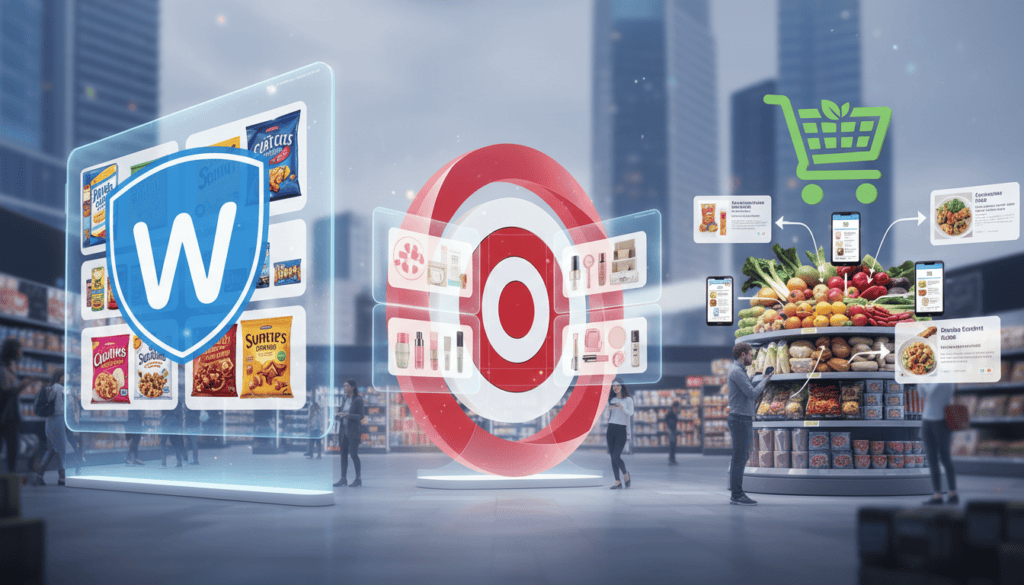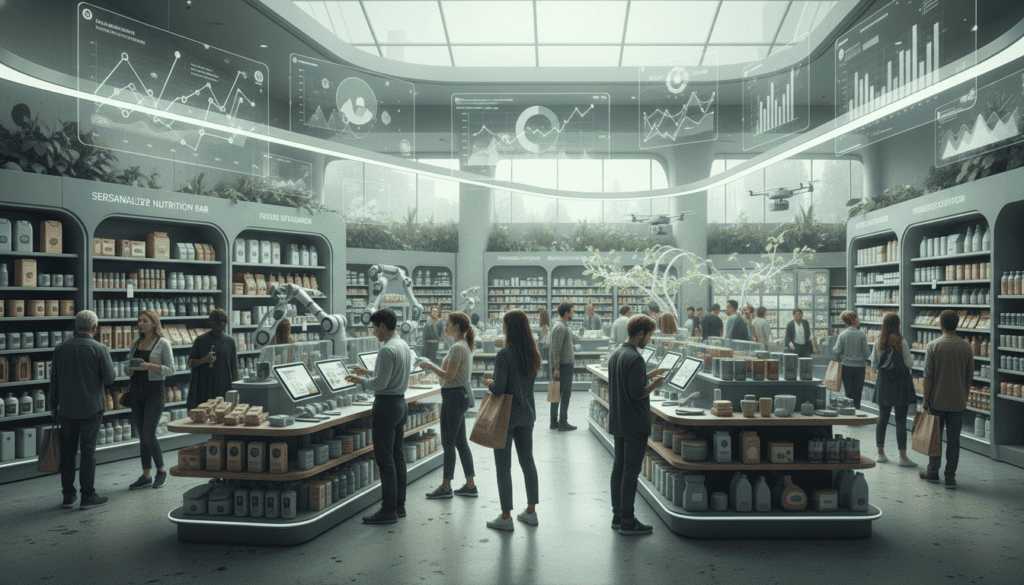
Consumer behavior data reveals a startling shift: 73% of CPG purchasing decisions now happen before shoppers enter physical stores, fundamentally reshaping how brands must position themselves in 2025. The playbook that worked even two years ago is already obsolete, forcing consumer packaged goods companies to rethink everything from product development to customer engagement strategies.

The New CPG Consumer: Who They Are and What They Want
Today’s CPG consumers aren’t just different—they’re operating with completely new priorities. The pandemic accelerated changes that were already brewing, creating a consumer base that’s more informed, more selective, and frankly, harder to impress.
Here’s what’s driving their decisions in 2025:
- Sustainability isn’t optional: 67% of consumers actively choose brands with clear environmental commitments
- Health consciousness has evolved: It’s not just about calories anymore—consumers want transparency about ingredients, sourcing, and processing methods
- Convenience means different things: While speed matters, so does customization and personalized experiences
- Value perception has shifted: Price sensitivity remains high, but consumers define “value” as quality, ethics, and brand alignment combined
The reality is that modern CPG consumers research extensively before buying. They’re reading ingredient lists, checking sustainability ratings, and comparing options across multiple channels before making decisions.
The Rise of the Conscious Consumer
This isn’t just about millennials and Gen Z anymore. Conscious consumption has gone mainstream across all demographics. Brands that treat sustainability and social responsibility as marketing add-ons rather than core business principles are getting left behind.
Most businesses miss this: consumers can spot performative sustainability from authentic commitment. They’re looking at your entire supply chain, not just your packaging claims.
Technology Integration: Beyond the Buzzwords
Smart packaging, AI-driven personalization, and IoT connectivity aren’t future concepts—they’re competitive necessities in 2025. But here’s the thing: technology adoption in CPG isn’t about having the shiniest new tools. It’s about solving real consumer problems.
Smart Packaging That Actually Adds Value
QR codes that link to recipes, usage tips, or sustainability information are becoming standard. But the most successful brands are going further:
- Temperature-sensitive indicators for food safety
- Freshness tracking that connects to mobile apps
- Augmented reality features that enhance the unboxing experience
- Refill reminder systems integrated with e-commerce platforms
The key is making technology invisible while making the benefits obvious. Consumers don’t want to think about the tech—they want to experience the value it provides.
Personalization at Scale
Mass customization is no longer a luxury market exclusive. CPG brands are finding ways to offer personalized products and experiences without breaking their supply chains or pricing structures.
This might surprise you: the most successful personalization efforts aren’t about infinite options. They’re about smart curation based on customer data and preferences.
Distribution Evolution: Where and How Consumers Shop
The lines between online and offline retail continue blurring, but 2025 brings new complexities to CPG distribution strategies. Direct-to-consumer isn’t just an additional channel anymore—for many brands, it’s becoming the primary relationship point with customers.
The Omnichannel Imperative
Successful CPG brands aren’t choosing between retail partnerships and direct sales. They’re creating seamless experiences that work across all touchpoints:
- Retail partnerships: Traditional relationships remain crucial, but brands need more control over their in-store presentation and customer experience
- E-commerce platforms: Amazon dominance continues, but brands are diversifying across multiple online marketplaces
- Direct-to-consumer channels: Essential for customer data collection and brand relationship building
- Social commerce: Instagram, TikTok, and emerging platforms are becoming direct sales channels
Here’s what works: treating each channel as part of a connected ecosystem rather than separate revenue streams. Customers expect consistent branding, pricing, and service regardless of where they encounter your products.
The Subscription Model Maturation
Subscription services for CPG products have moved beyond novelty into practical convenience. But the landscape is getting more sophisticated. Consumers want flexibility—the ability to pause, modify, or customize their subscriptions based on changing needs.
The most successful subscription models in 2025 are predictive rather than rigid, using consumption data to suggest optimal delivery timing and quantities.

Marketing and Brand Building in the New Landscape
Traditional advertising approaches are losing effectiveness as consumers become more selective about the content they consume. CPG brands need to earn attention rather than simply buying it.
Content That Actually Connects
Educational content consistently outperforms promotional content in engagement and conversion metrics. Consumers want to learn from brands, not just be sold to by them.
The most effective CPG content strategies focus on:
- Practical usage tips and recipes
- Behind-the-scenes transparency about production and sourcing
- Sustainability education and progress updates
- Community building around shared values and interests
Social proof has evolved beyond simple reviews. User-generated content, influencer partnerships, and community testimonials carry more weight than brand-created content in many categories.
Influencer Partnerships: Quality Over Quantity
The influencer marketing landscape has matured significantly. Micro-influencers with engaged, niche audiences often deliver better ROI than celebrity partnerships. Authenticity and audience alignment matter more than follower counts.
Most businesses miss this: the best influencer partnerships feel like natural brand extensions rather than paid promotions. Long-term relationships consistently outperform one-off campaigns.
Supply Chain Resilience and Transparency
Supply chain disruptions taught CPG brands hard lessons about flexibility and transparency. Consumer expectations for product availability remain high, but they’re more understanding when brands communicate openly about challenges and solutions.
Building Flexibility Into Operations
Resilient supply chains aren’t just about having backup suppliers. They’re about creating systems that can adapt quickly to changing conditions:
- Diversified sourcing across multiple regions and suppliers
- Inventory management systems that balance efficiency with buffer capacity
- Transportation partnerships that offer multiple fulfillment options
- Communication systems that keep all stakeholders informed about potential disruptions
The reality is that consumers are willing to wait for products they really want, but only if they trust the brand to deliver on its promises.
Transparency as a Competitive Advantage
Brands that proactively share information about their supply chains, sourcing practices, and manufacturing processes are building stronger customer relationships. This transparency extends beyond compliance requirements into voluntary disclosure that builds trust.
Regulatory and Compliance Considerations
The regulatory environment for CPG products continues evolving, with increased focus on labeling accuracy, sustainability claims, and data privacy. Staying ahead of these changes isn’t just about avoiding penalties—it’s about building consumer trust.
Sustainability Claims and Greenwashing Concerns
Regulatory bodies are scrutinizing environmental claims more closely. Brands need clear documentation and third-party verification for any sustainability assertions. The cost of getting this wrong goes far beyond fines—it includes long-term brand reputation damage.
Here’s the thing: consumers are becoming more sophisticated about identifying authentic versus performative sustainability efforts. Brands that invest in real environmental improvements rather than just marketing claims are building stronger competitive positions.

Data Privacy and Consumer Trust
Data collection and usage practices directly impact consumer trust and loyalty. CPG brands that handle customer data responsibly and transparently are seeing better engagement rates and lower customer acquisition costs.
The most successful data strategies focus on value exchange—clearly communicating what data is collected, how it’s used, and what benefits consumers receive in return.
Innovation and Product Development Trends
Product innovation in CPG markets is accelerating, driven by changing consumer needs and technological capabilities. But innovation for its own sake doesn’t create market success. The most successful new products solve real consumer problems or fulfill unmet needs.
Health and Wellness Integration
Functional ingredients and health-focused formulations continue growing across all CPG categories. But consumers want benefits that fit naturally into their existing routines rather than requiring behavior changes.
This might surprise you: the most successful health-focused CPG products don’t taste or feel like medicine. They deliver benefits while maintaining the sensory experience consumers expect.
Convenience Innovation
Convenience remains a key driver, but the definition keeps evolving. Single-serve packaging, multi-use formulations, and products that save time without sacrificing quality are consistently successful.
Preparing Your CPG Brand for 2025 Success
The trends shaping CPG markets in 2025 aren’t independent forces—they’re interconnected changes that require integrated responses. Brands that try to address these trends piecemeal often find themselves pulled in too many directions without clear results.
Here’s what works: start with a clear understanding of your core customers’ evolving needs, then build integrated strategies that address multiple trends simultaneously. For example, sustainable packaging that includes smart features addresses both environmental concerns and technology expectations.
The most successful CPG brands are treating 2025 as a reset opportunity rather than a continuation of existing strategies. They’re questioning fundamental assumptions about customer relationships, distribution channels, and value propositions.
Success in this evolving landscape requires more than just good products—it demands sophisticated marketing strategies that connect authentically with consumers across multiple touchpoints. At Beast Creative Agency, we specialize in helping CPG brands develop AI-enhanced campaigns that deliver personalized experiences at scale while maintaining the radical transparency today’s consumers demand. Our certified specialists understand both the technical requirements and the human psychology that drives CPG purchasing decisions.
The CPG market transformation isn’t slowing down. Brands that embrace these changes and invest in the right capabilities now will find themselves well-positioned for sustainable growth. Those that wait risk being left behind by competitors who better understand and serve evolving consumer needs.