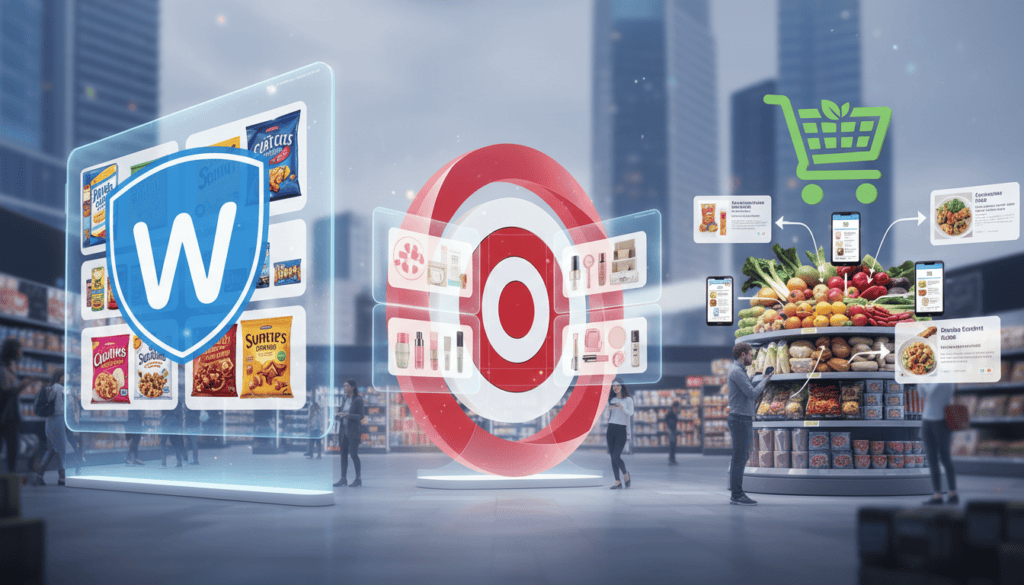
Consumer packaged goods brands face a unique challenge that most other industries don’t: convincing shoppers to choose their product in the three seconds it takes to scan a grocery shelf. But here’s what’s changed—that critical moment of decision now happens long before customers step foot in a store, and it’s happening on digital platforms where 73% of CPG purchase decisions are influenced.

The CPG Digital Marketing Landscape in 2025
The CPG industry has undergone a massive transformation. Traditional marketing approaches that relied heavily on in-store displays and broad demographic targeting are no longer enough. Today’s consumers research products online, read reviews, compare prices, and make purchase decisions based on digital touchpoints.
What makes CPG marketing particularly challenging is the low involvement, high-frequency nature of most purchases. You’re not selling a car or a house—you’re selling products that people buy regularly without much deliberation. This means your digital strategy needs to work differently than other industries.
Key Market Shifts Driving Change
- E-commerce acceleration: Online grocery shopping grew by 43% in 2024, with 85% of consumers now purchasing CPG products online
- Direct-to-consumer growth: CPG brands increasingly bypass traditional retail channels
- Mobile-first shopping: 67% of CPG research happens on mobile devices
- Subscription model adoption: Recurring delivery services for everyday products are becoming standard
Building Your CPG Brand’s Digital Foundation
Before diving into specific tactics, you need a solid digital foundation. This isn’t about having a pretty website—it’s about creating a system that can handle the unique demands of CPG marketing.
Essential Digital Infrastructure
Customer Data Platform Integration
CPG brands collect data from multiple sources: retail partners, direct sales, social media, and customer service interactions. You need a centralized system that can merge this data into actionable insights. Look for platforms that can track customer behavior across channels and provide real-time analytics.
Multi-Channel Inventory Management
Your digital marketing efforts will drive demand across various channels—your website, Amazon, retail partners, and potentially subscription services. Your systems need to handle inventory visibility and fulfillment across all these touchpoints seamlessly.
Brand Asset Management
CPG brands typically have extensive product lines with multiple SKUs. You’ll need a digital asset management system that allows quick access to product images, descriptions, and marketing materials for different platforms and partners.
Content Marketing Strategies That Work for CPG
Content marketing for CPG brands requires a different approach than B2B or high-consideration B2C products. Your audience isn’t looking for long-form educational content about your laundry detergent. They want quick, valuable information that helps them make better purchasing decisions.
Recipe and Usage-Based Content
Food and beverage brands have a natural advantage here, but this strategy works for many CPG categories. Create content that shows your products in use:
- Recipe collections featuring your ingredients
- Cleaning tips using your household products
- Style guides incorporating your beauty products
- DIY projects featuring your craft supplies
The key is making the content valuable even without the sales pitch. People should genuinely want to save, share, and use your content.
User-Generated Content Programs
CPG brands have a unique advantage in user-generated content—people use your products regularly and often share their experiences naturally. The trick is systematizing this:
Hashtag Campaigns: Create branded hashtags that encourage sharing. #MyMorningRitual or #CleaningHacks work better than #YourBrandName.
Review Incentivization: Develop programs that encourage detailed reviews and photos. This content becomes valuable for other marketing channels.
Community Building: Create spaces where your customers can share tips, recipes, or usage ideas with each other. Facebook groups and Pinterest boards work particularly well for CPG brands.

Paid Advertising Strategies for Maximum ROI
CPG brands often have thin margins, which means your paid advertising needs to be incredibly efficient. You can’t afford to waste budget on broad targeting or generic messaging.
Platform-Specific Approaches
Amazon Advertising
For most CPG brands, Amazon is where the money is made. Your Amazon advertising strategy should focus on:
- Sponsored Products for high-intent keywords
- Sponsored Brands for category dominance
- Display ads for remarketing to previous customers
- Video ads for new product launches
The key is understanding that Amazon shoppers are already in purchase mode. Your ads need to focus on product benefits and differentiators rather than brand awareness.
Facebook and Instagram Advertising
Social media advertising for CPG works best when it doesn’t feel like advertising. Focus on:
- Lifestyle content that naturally incorporates your products
- Video demonstrations and tutorials
- User-generated content amplification
- Retargeting campaigns with special offers
Google Ads Strategy
Search advertising for CPG requires careful keyword strategy. You’re competing with major retailers for product-specific terms, so focus on:
- Long-tail keywords with purchase intent
- Local keywords if you have regional distribution
- Problem-solution keywords (e.g., “remove red wine stains” for cleaning products)
- Comparison keywords when you have clear advantages
Personalization and Customer Experience
Personalization in CPG marketing goes beyond using someone’s first name in an email. It’s about understanding purchasing patterns, preferences, and lifecycle stages to deliver relevant experiences at the right time.
Behavioral Segmentation
Most CPG brands segment customers by demographics, but behavioral segmentation provides much better results:
- Purchase frequency: Heavy users, moderate users, light users, and lapsed customers need different messaging
- Product preferences: Customers who buy premium vs. value products respond to different appeals
- Channel preferences: Some customers prefer shopping online, others in-store—tailor your approach accordingly
- Seasonal patterns: Identify customers who stock up during sales vs. those who buy as needed
Subscription and Loyalty Programs
Subscription models work particularly well for CPG brands because they solve a real customer problem—running out of products they use regularly. But the key is making it genuinely convenient, not just a way to lock in customers.
Your subscription program should offer:
- Flexible delivery schedules
- Easy modification or cancellation
- Bulk discounts that provide real value
- Exclusive access to new products
Influencer and Partnership Marketing
Influencer marketing for CPG brands works differently than fashion or lifestyle brands. Your audience cares more about authentic recommendations than aspirational content.
Micro-Influencer Strategy
Instead of partnering with mega-influencers, focus on micro-influencers (1,000-100,000 followers) who have genuine engagement with audiences that match your target customers. Look for:
- Food bloggers for grocery products
- Parenting influencers for family products
- Home organization accounts for household items
- Beauty enthusiasts for personal care products
The key is finding influencers who would genuinely use and recommend your products, not just those with the largest followings.
Retail Partnership Opportunities
Your retail partners can be powerful marketing allies. Collaborate on:
- Co-branded email campaigns
- Social media takeovers
- Exclusive product launches
- Joint advertising campaigns

Analytics and Performance Measurement
CPG marketing success requires tracking metrics across multiple channels and touchpoints. Traditional marketing attribution models often fall short because the customer journey is complex and involves multiple retailers.
Key Performance Indicators
Brand Awareness Metrics:
- Brand mention tracking across social platforms
- Share of voice compared to competitors
- Branded search volume growth
- Social media engagement rates
Sales Performance Metrics:
- Direct-to-consumer conversion rates
- Amazon ranking improvements
- Retail partner sell-through data
- Customer lifetime value by acquisition channel
Customer Experience Metrics:
- Net Promoter Score (NPS)
- Customer satisfaction scores
- Repeat purchase rates
- Subscription retention rates
Attribution Modeling for CPG
Traditional last-click attribution doesn’t work well for CPG brands because customers often research online but purchase in-store, or vice versa. Consider:
- Using survey data to understand the customer journey
- Implementing view-through conversion tracking
- Analyzing correlation between digital campaigns and retail sales data
- Using mixed media modeling for budget allocation decisions
Emerging Technologies and Future Trends
The CPG industry is rapidly adopting new technologies that can provide competitive advantages for early adopters.
Artificial Intelligence Applications
AI isn’t just a buzzword—it’s already providing real value for CPG marketing:
- Demand forecasting: Predict inventory needs based on marketing campaigns and external factors
- Price optimization: Dynamic pricing based on competition, demand, and inventory levels
- Content generation: Create product descriptions and marketing copy at scale
- Customer service: Chatbots that can handle common questions about products and orders
Voice Commerce Optimization
With smart speakers in 35% of US households, voice commerce is becoming significant for CPG brands. Optimize for voice by:
- Ensuring your products are easily found through voice search
- Creating voice-friendly product names and descriptions
- Developing Amazon Alexa skills related to your products
- Optimizing for local voice searches if you have regional distribution
Building Your 2025 CPG Marketing Strategy
Here’s how to put this all together into a cohesive strategy:
Quarter 1: Foundation and Research
- Audit your current digital infrastructure
- Implement proper tracking and analytics
- Conduct customer research to understand the buyer journey
- Analyze competitor strategies and identify opportunities
Quarter 2: Content and Community
- Launch content marketing initiatives
- Start building user-generated content programs
- Begin influencer partnership outreach
- Test different content formats and channels
Quarter 3: Paid Advertising Optimization
- Launch optimized paid campaigns across key platforms
- Implement advanced targeting and personalization
- Test subscription or loyalty program offerings
- Expand successful campaigns and pause underperforming ones
Quarter 4: Scale and Innovation
- Scale successful campaigns and strategies
- Test emerging technologies and platforms
- Plan for the following year based on performance data
- Optimize for holiday and seasonal opportunities
Conclusion: Your Next Steps
The CPG marketing landscape in 2025 rewards brands that can combine data-driven decision making with genuine customer value. Success isn’t just about having the biggest advertising budget—it’s about understanding your customers deeply and meeting them with the right message at the right time across all digital touchpoints.
The brands that will thrive are those that can move quickly, test constantly, and adapt their strategies based on real performance data. This requires both the right technology infrastructure and the expertise to use it effectively.
At Beast Creative Agency, we’ve helped numerous CPG brands navigate this complex digital landscape using AI-enhanced campaigns and data-driven personalization strategies. Our transparent approach means you’ll always understand what’s working, what isn’t, and why. If you’re ready to transform your CPG brand’s digital marketing strategy, let’s discuss how our certified specialists can help you achieve measurable results in 2025.