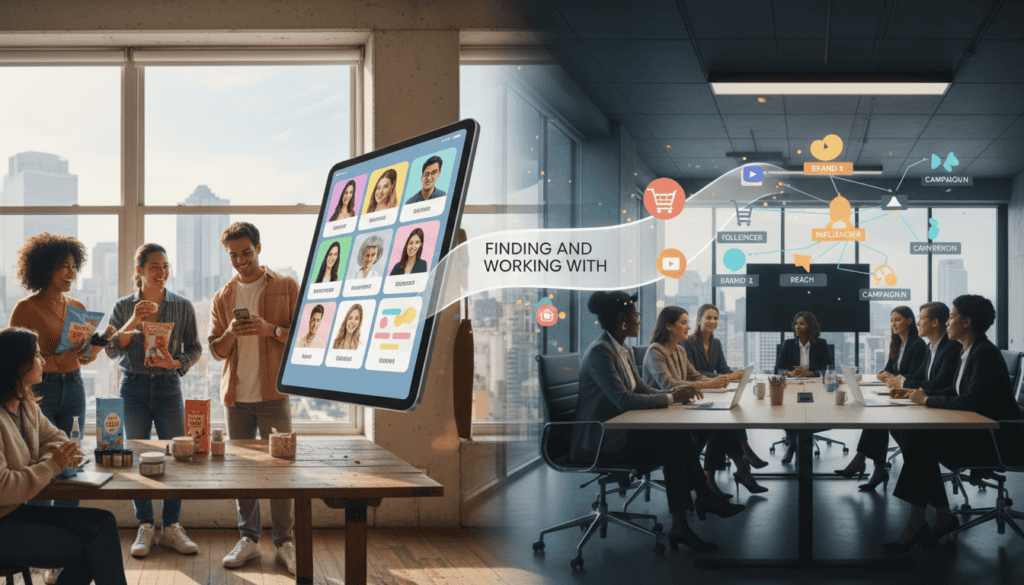
Nearly 92% of consumers trust recommendations from people they don’t personally know over traditional advertising—a statistic that’s reshaping how CPG brands approach their marketing strategies. The challenge isn’t whether to use influencer marketing, but finding the right content creators who can authentically represent your products and drive measurable results for your consumer packaged goods business.

Understanding the CPG Influencer Marketing Landscape
Consumer packaged goods face unique challenges in the influencer space. Unlike luxury items or services, CPG products often compete on convenience, price, and everyday utility. This means your influencer partnerships need to feel natural and solve real problems for consumers.
The key difference between CPG influencer marketing and other industries lies in the purchase decision timeline. Most CPG products are bought impulsively or as routine purchases, which means your content needs to catch consumers at the right moment in their buying journey.
Why Traditional Advertising Falls Short for CPG
Here’s the thing—consumers are bombarded with CPG ads everywhere they look. From grocery store displays to TV commercials, traditional advertising has created a saturation point where most CPG messaging gets ignored.
Influencer marketing cuts through this noise because it packages your product recommendation within content people actually want to consume. When a trusted content creator shows how your protein bar fits into their morning routine, it doesn’t feel like advertising—it feels like a genuine recommendation from a friend.
Types of Content Creators That Work Best for CPG Brands
Not all influencers are created equal, especially when it comes to CPG products. The most effective content creators for consumer packaged goods typically fall into these categories:
Micro-Influencers (1K-100K followers)
These creators often deliver the highest ROI for CPG brands. Their audiences trust them more than celebrity influencers, and their engagement rates typically run 3-7% higher than macro-influencers. Most importantly, they’re more affordable, allowing you to work with multiple creators and test different audience segments.
Micro-influencers work particularly well for CPG because they often showcase products in real-life situations. A parenting blogger showing how your organic snacks fit into their kids’ lunch routine carries more weight than a celebrity posting a single glamour shot with your product.
Lifestyle Content Creators
Fitness enthusiasts, home cooks, busy parents, and wellness advocates naturally integrate CPG products into their content. They’re not just promoting your product—they’re showing how it fits into a desirable lifestyle their followers want to emulate.
The reality is that lifestyle creators understand context better than most. They know their audience’s pain points and can position your CPG product as a solution within their daily routines.
Niche Specialists
Sometimes the best partnerships come from highly specialized creators. A creator focused on gluten-free cooking might have only 20,000 followers, but if you sell gluten-free pasta, those 20,000 highly engaged followers could drive more sales than a general lifestyle influencer with 500,000 followers.
How to Find the Right Content Creators for Your CPG Brand
Finding influencers isn’t just about follower counts—it’s about finding creators whose audiences align with your target customers and whose content style matches your brand values.
Start with Your Current Customers
Your best influencer prospects might already be buying your products. Use social listening tools to find people already posting about your brand organically. These creators have genuine enthusiasm for your products, which translates into more authentic content.
Look through your product reviews, social media mentions, and hashtags related to your brand. You’ll often discover micro-influencers who are already creating content featuring your products without any formal partnership.
Research Competitor Partnerships
Study which creators your competitors work with, but don’t just copy their strategy. Look for patterns in the types of creators that work well in your product category, then find similar creators who haven’t worked with competing brands.
This approach helps you understand what works in your space while avoiding creators who might have partnership conflicts or audience fatigue from similar products.
Use Influencer Discovery Platforms
Platforms like AspireIQ, Upfluence, and Creator.co can help you filter potential partners based on audience demographics, engagement rates, and content categories. However, don’t rely solely on these platforms—some of the best partnerships come from direct outreach to creators you discover organically.
Leverage Employee Networks
Your team members likely follow content creators who could be great brand partners. Ask employees to recommend creators they follow and trust. This often leads to discovering authentic voices that align well with your company culture.

Vetting Potential Influencer Partners
Once you’ve identified potential content creators, you need to evaluate them systematically. Here’s what matters most for CPG partnerships:
Audience Alignment
Look beyond demographics to understand values and interests. A creator whose audience values sustainability might be perfect for your eco-friendly cleaning products, even if the age range skews slightly older than your typical customer.
Request audience insights from potential partners. Most creators with substantial followings can provide demographic data and engagement metrics that help you assess fit.
Content Quality and Consistency
Review at least 20-30 of their recent posts to understand their content style and posting frequency. Look for creators who maintain consistent quality and engage meaningfully with their audience in comments.
Pay attention to how they integrate sponsored content. Do their sponsored posts feel natural, or do they stand out awkwardly from their organic content? The best CPG influencers seamlessly blend promotional content with their regular posts.
Engagement Authenticity
High engagement rates don’t mean much if the engagement is artificial. Look for meaningful comments and conversations, not just emoji reactions. Use tools like Social Blade or HypeAuditor to check for fake followers or suspicious engagement patterns.
Structuring Successful CPG Influencer Partnerships
The most successful CPG influencer campaigns go beyond simple product placement. They create genuine value for the creator’s audience while showcasing your product’s benefits.
Campaign Types That Work for CPG
Product integration campaigns perform better than obvious advertisements. Instead of asking creators to make dedicated product posts, work with them to naturally integrate your products into their existing content themes.
Here are campaign formats that consistently deliver results:
- Recipe development: For food and beverage brands, collaborate with creators to develop original recipes featuring your products
- Routine integration: Show how your product fits into daily routines, whether it’s morning skincare or post-workout nutrition
- Problem-solving content: Position your product as a solution to common challenges your target audience faces
- Educational content: Partner with creators to explain ingredients, usage tips, or benefits in an informative way
Content Guidelines vs. Creative Freedom
Strike the right balance between brand consistency and creative authenticity. Provide clear guidelines about your brand values, key messages, and any legal requirements, but give creators freedom in how they present your product.
The most effective partnerships happen when creators feel excited about your product and have the creative freedom to present it in their unique style. Overly restrictive guidelines often result in content that feels forced and performs poorly.
Performance Tracking and Metrics
Define success metrics before launching campaigns. For CPG brands, focus on metrics that tie to business outcomes:
- Engagement rate: Measures audience interest and content quality
- Click-through rates: Indicates purchase intent
- Conversion tracking: Use unique discount codes or links to track actual sales
- Brand mention sentiment: Monitor how audiences respond to product mentions
- Cost per acquisition: Calculate the true cost of gaining new customers through influencer partnerships
Building Long-Term Influencer Relationships
One-off campaigns can drive sales, but ongoing relationships with content creators build lasting brand awareness and customer loyalty.
The Ambassador Approach
Consider developing a formal brand ambassador program with your best-performing influencers. Ambassadors receive regular product shipments and create ongoing content over months or years, rather than single campaigns.
This approach works particularly well for CPG because it mimics how real customers actually use your products—repeatedly, over time, in various situations. Long-term partnerships also allow creators to develop genuine expertise and enthusiasm for your brand.
Providing Value Beyond Payment
The best influencer relationships extend beyond transactional exchanges. Provide exclusive access to new products, invite creators to company events, or feature them in your own marketing materials.
Many successful CPG brands create creator communities where influencers can connect with each other and provide feedback on new products before they launch.

Common Pitfalls to Avoid
Learning from others’ mistakes can save you significant time and money in your influencer marketing efforts.
Focusing Only on Reach
Many brands make the mistake of prioritizing follower count over engagement and audience alignment. A creator with 50,000 highly engaged followers who match your target demographic will typically deliver better results than a creator with 500,000 followers who don’t align with your customer base.
Inadequate Disclosure
FTC guidelines require clear disclosure of paid partnerships. Ensure your influencer partners understand these requirements and use proper disclosure language. Non-compliance can result in legal issues and damage your brand reputation.
Unrealistic Expectations
Influencer marketing isn’t a magic solution that delivers immediate results. Like other marketing channels, it requires testing, optimization, and patience. Set realistic expectations for timeline and results, especially when building new partnerships.
Measuring ROI and Optimizing Performance
Successful CPG influencer marketing requires continuous optimization based on performance data.
Attribution Challenges
CPG products often have long consideration periods and multiple touchpoints before purchase. A customer might see your product in an influencer’s post, research it online, and buy it weeks later at a grocery store. Traditional attribution models might not capture this complete journey.
Use multiple tracking methods including unique promo codes, branded hashtags, and surveys to better understand how influencer content drives sales.
A/B Testing Content Approaches
Test different content formats, messaging approaches, and creator types to identify what resonates best with your target audience. Document what works and use these insights to brief future partnerships.
Future Trends in CPG Influencer Marketing
The influencer marketing landscape continues to evolve, and CPG brands need to stay ahead of emerging trends.
Live Commerce and Social Shopping
Platforms like Instagram, TikTok, and Facebook are integrating shopping features that allow immediate purchases during live streams or from posts. This reduces the friction between product discovery and purchase, which is particularly valuable for impulse-driven CPG products.
AI-Enhanced Influencer Matching
Advanced AI tools are making it easier to identify ideal influencer partners based on audience overlap, content performance, and predicted campaign outcomes. These tools help CPG brands make more data-driven partnership decisions.
Micro-Video Content
Short-form video content continues to dominate social media engagement. CPG brands that can effectively showcase their products in 15-30 second videos will have significant advantages in capturing consumer attention.
Conclusion
Influencer marketing offers CPG brands an opportunity to cut through advertising clutter and connect with consumers through trusted voices. Success requires finding the right content creators, building authentic partnerships, and continuously optimizing based on performance data.
The key is moving beyond transactional relationships to build genuine partnerships that provide value to creators, their audiences, and your brand. When done right, influencer marketing can drive both immediate sales and long-term brand building for CPG companies.
At Beast Creative Agency, we help CPG brands develop and execute influencer marketing strategies that deliver measurable results. Our AI-enhanced campaign optimization and radical transparency approach ensures you get the maximum ROI from your content creator partnerships. Ready to transform your influencer marketing approach? Let’s discuss how we can help you find and work with the right content creators for your CPG brand.