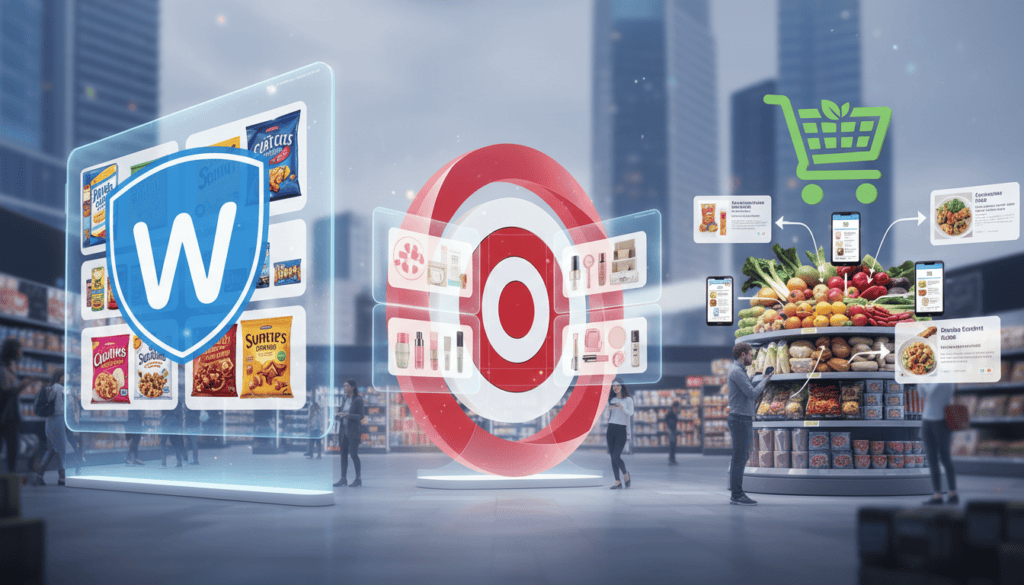
Consumer packaged goods brands face a puzzle that didn’t exist a decade ago: customers who discover products on Instagram, research them on Amazon, and buy them at Target—all in the same shopping journey. This fragmented path requires a marketing approach that connects every touchpoint seamlessly, turning scattered interactions into cohesive brand experiences.

Understanding the Modern CPG Consumer Journey
Today’s CPG shoppers don’t follow linear paths. They bounce between channels, comparing prices on their phones while standing in grocery aisles, reading reviews on marketplace platforms, and following brand content on social media. This behavior creates both challenges and opportunities for brands willing to meet customers wherever they are.
The shift isn’t just about being present on multiple channels—it’s about creating connected experiences. When a customer sees your product featured in a TikTok video, finds it through a Google search, and then decides between buying directly from your website or picking it up at their local retailer, each interaction should feel intentional and connected.
The Three-Channel Reality
Modern CPG marketing revolves around three primary channels, each with distinct characteristics and customer expectations:
- Traditional retail partnerships that provide physical product access and brand visibility
- Direct-to-consumer platforms that offer complete brand control and customer relationships
- Online marketplaces that deliver convenience and comparison shopping capabilities
The magic happens when these channels work together rather than compete for the same customer.
Building Your Omnichannel Foundation
Before diving into tactics, you need a solid foundation. This starts with understanding that omnichannel marketing isn’t about doing everything everywhere—it’s about creating strategic connections between the right channels for your specific audience.
Data Integration as Your Starting Point
Most CPG brands struggle with siloed data. Your retail sales numbers live in one system, your DTC customer information sits in another, and your marketplace analytics exist in yet another platform. This fragmentation makes it impossible to understand your true customer journey.
Here’s what works: Start by connecting your data sources. You don’t need a massive technology overhaul, but you do need a way to see patterns across channels. When you can identify that 60% of your new DTC customers first discovered your brand in retail stores, or that marketplace shoppers have a 40% higher lifetime value when they also follow your social media accounts, you can make smarter marketing decisions.
Consistent Brand Messaging Across Touchpoints
Consistency doesn’t mean identical. Your brand voice might be more educational on your DTC site, more benefit-focused on marketplace listings, and more lifestyle-oriented in retail environments. The key is ensuring these variations feel like natural extensions of the same brand personality.
Think about how your brand shows up differently but authentically across channels:
- Retail environments focus on shelf appeal and quick decision-making
- DTC platforms allow for storytelling and brand education
- Marketplace listings prioritize search optimization and competitive differentiation
Mastering Direct-to-Consumer Integration
Your DTC channel isn’t just another sales avenue—it’s your brand laboratory. This is where you can test new products, gather detailed customer feedback, and create experiences that retail partners can’t provide.
Using DTC Data to Improve Retail Performance
The insights you gather from direct customer interactions are gold for retail strategies. Customer service inquiries reveal common questions that could be addressed on retail packaging. Purchase patterns show which products work well together, informing retail merchandising strategies.
Here’s a practical example: If your DTC customers frequently buy your protein powder with your shaker bottles, you can work with retail partners to create bundle displays or ensure these products are placed near each other.
Creating Exclusive Value Without Cannibalizing Retail
Many CPG brands worry that strong DTC strategies will hurt retail relationships. The solution isn’t to weaken your DTC offering—it’s to create complementary value. Consider offering:
- Subscription models with convenience benefits
- Exclusive products or flavors not available in retail
- Educational content and community access
- Personalized product recommendations based on purchase history
These approaches give customers reasons to engage with your brand directly without competing directly with retail price points or availability.

Navigating Online Marketplace Dynamics
Marketplaces like Amazon, Walmart.com, and Target.com aren’t just additional sales channels—they’re often customers’ starting point for product discovery. This reality requires a strategic approach that balances marketplace success with broader brand goals.
Marketplace SEO and Brand Protection
Your marketplace presence needs to work harder than retail shelf space. Customers can’t touch or examine products physically, so your listings must compensate with detailed information, high-quality images, and strategic keyword optimization.
But here’s what many brands miss: marketplace optimization isn’t just about individual product listings. It’s about creating a complete brand experience within the platform’s constraints. This includes:
- Consistent visual branding across all product images
- Cross-selling between products in your catalog
- Strategic use of marketplace advertising to control your brand narrative
- Active management of customer reviews and questions
Balancing Marketplace Growth with Brand Building
Marketplaces reward sales velocity and customer satisfaction, but these platforms also commoditize products. Your challenge is driving marketplace success while building lasting brand loyalty that transcends any single platform.
The most successful CPG brands use marketplaces as discovery engines that feed their broader marketing funnel. They optimize for marketplace algorithms while simultaneously directing interested customers to branded content and experiences.
Creating Cross-Channel Customer Experiences
True omnichannel success happens when channels enhance each other rather than simply coexist. This requires thinking beyond individual touchpoints to design connected customer journeys.
The Research-to-Purchase Journey
Most CPG purchases involve research across multiple channels before the final transaction. A customer might:
- Discover your product through social media content
- Research ingredients and benefits on your website
- Read reviews on marketplace platforms
- Check local availability through retailer apps
- Make the final purchase wherever it’s most convenient
Your job is making each step in this journey seamless and valuable. When someone researches on your website, do you show them where to buy locally? When they read marketplace reviews, can they easily find more detailed information about addressing common concerns?
Technology That Connects Without Overwhelming
You don’t need cutting-edge technology to create connected experiences. Sometimes the most effective solutions are the simplest ones. QR codes on packaging that lead to exclusive content, email sequences that acknowledge where customers first discovered your brand, and customer service that can access purchase history regardless of where someone bought your product.
The goal isn’t technological sophistication—it’s customer understanding and convenience.
Measuring Success Across Channels
Traditional CPG metrics often miss the full picture of omnichannel performance. Sales numbers from individual channels don’t reveal how those channels influence each other or contribute to overall brand health.
Beyond Attribution: Understanding Influence
Instead of trying to perfectly attribute every sale to a specific touchpoint, focus on understanding influence patterns. Which channels drive discovery? Which ones convert browsers to buyers? Which touchpoints increase customer lifetime value?
Here are key metrics that reveal omnichannel health:
- Cross-channel customer behavior: How many customers interact with multiple channels?
- Brand search lift: Are your marketing efforts increasing branded search across all channels?
- Customer lifetime value by acquisition channel: Which channels bring the most valuable long-term customers?
- Share of voice: How does your brand presence compare to competitors across channels?
Real-Time Adjustments Based on Cross-Channel Data
The best omnichannel strategies are adaptive. When you notice that a particular product is trending on social media, you can adjust marketplace advertising, update retail partner communications, and modify DTC homepage features to capitalize on the momentum.
This responsiveness requires systems that surface insights quickly and teams empowered to act on those insights across channels.

Common Omnichannel Pitfalls and Solutions
Most CPG brands make predictable mistakes when building omnichannel strategies. Recognizing these pitfalls early can save months of wasted effort and budget.
The “Everywhere at Once” Trap
The biggest mistake is trying to launch perfectly executed omnichannel experiences all at once. This approach typically results in mediocre execution across all channels rather than excellence anywhere.
Instead, start with your strongest channel and gradually expand. If you have great retail relationships, use that success to inform your marketplace strategy. If your DTC operation is humming, apply those customer insights to improve retail performance.
Channel Conflict and Internal Competition
When different teams manage different channels without coordination, they often end up competing with each other instead of working toward shared goals. Sales teams worry that DTC growth will hurt retail relationships. Marketing teams optimize for their specific channel metrics without considering broader impact.
The solution isn’t reorganizing your entire company—it’s creating shared goals and regular communication. When everyone understands how their channel contributes to overall brand success, competition becomes collaboration.
The Future of CPG Omnichannel Marketing
The channels available to CPG brands will continue expanding and evolving, but the fundamental principles of omnichannel success remain consistent: understand your customers, create connected experiences, and measure what matters.
Emerging Channels and Technologies
Social commerce, voice shopping, and augmented reality experiences are already changing how customers discover and purchase CPG products. The brands that succeed with these emerging channels will be those that apply omnichannel thinking from the start, rather than treating each new platform as an isolated opportunity.
The key is maintaining focus on customer value while remaining flexible about the specific channels and technologies used to deliver that value.
Building Your Omnichannel Action Plan
Ready to connect your retail, DTC, and marketplace efforts? Start with these foundational steps:
- Audit your current state: Map how customers currently move between your channels and identify the biggest gaps in their experience
- Prioritize quick wins: Find opportunities to connect channels that don’t require major technology investments
- Align your team: Ensure everyone understands how their channel contributes to broader brand goals
- Test and learn: Start small with connected experiences and scale what works
- Measure holistically: Track metrics that reveal cross-channel influence, not just individual channel performance
The CPG brands that thrive in the next decade won’t be those with the most channels—they’ll be those that create the most connected, valuable customer experiences across whatever channels matter most to their audience. Working with a specialized CPG marketing agency can help you navigate this complexity through AI-enhanced campaigns and data-driven personalization strategies that deliver measurable ROI across all touchpoints. The future belongs to brands that understand that omnichannel isn’t about marketing everywhere—it’s about marketing intelligently, with each channel strengthening the others.