The pet industry generated 1 billion globally in 2024, with consumer packaged goods representing the fastest-growing segment at 8.2% year-over-year growth. While traditional pet food dominates shelves, the real opportunity lies in specialized care products that address evolving pet parent behaviors. Smart CPG brands are positioning themselves to capture this expanding market through strategic product development and targeted marketing approaches.

Understanding the Pet Care CPG Landscape
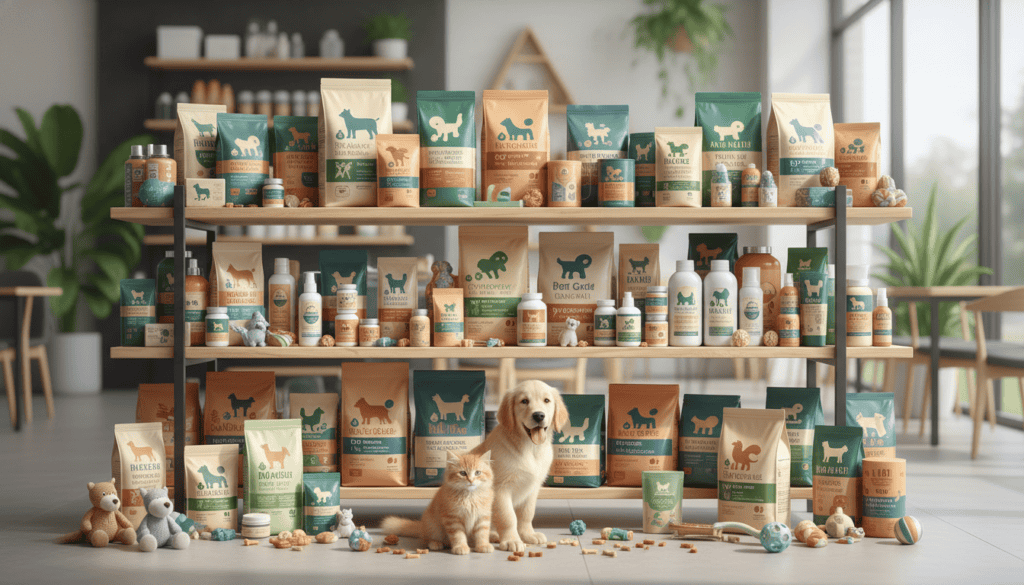
Pet care consumer packaged goods extend far beyond basic food and treats. Today’s market includes grooming products, health supplements, dental care items, training aids, and wellness products that mirror human health trends. Pet parents increasingly view their animals as family members, driving demand for premium, specialized products.
The shift creates unique opportunities for CPG brands. Here’s what works: Products that solve specific problems perform better than generic alternatives. A dental chew that targets senior dogs outperforms standard options because it speaks directly to pet parents managing aging pets.
Market Segments Driving Growth
- Health and wellness supplements: Probiotics, joint support, and anxiety relief products
- Grooming and hygiene: Specialized shampoos, dental care, and grooming tools
- Training and behavior: Training treats, calming products, and behavioral aids
- Senior pet care: Age-specific nutrition and mobility support products
- Natural and organic options: Chemical-free alternatives across all categories
Consumer Behavior Shifts Reshaping the Market
Pet parents today research products extensively before purchasing. They read ingredient lists, check reviews, and prioritize brands that demonstrate expertise and transparency. This behavior creates both challenges and opportunities for CPG brands.
Most businesses miss this crucial point: Pet parents don’t just buy products—they invest in their pet’s wellbeing. Your marketing message needs to reflect this emotional connection while providing practical benefits.
Key Consumer Trends
Premiumization: Pet parents willingly pay more for products they perceive as higher quality. This doesn’t always mean expensive ingredients—it means clear benefits and trustworthy branding.
Ingredient consciousness: Consumers scrutinize labels just like they do for human products. Clean, recognizable ingredients win over complex chemical formulations.
Multi-pet households: Nearly 70% of pet-owning households have multiple pets, creating opportunities for variety packs and multi-pet solutions.
Age-specific products: Pet parents seek products tailored to their pet’s life stage, from puppy training aids to senior mobility support.
Distribution Channel Evolution
The pet care CPG distribution landscape has transformed dramatically. While traditional pet stores remain important, e-commerce now drives 35% of pet product sales. This shift requires brands to think differently about product positioning and customer acquisition.
Omnichannel Success Strategies
Direct-to-consumer platforms: Subscription services for consumable products create predictable revenue streams. Brands like BarkBox have shown how curated experiences can command premium pricing.
Retail partnerships: Getting shelf space in major retailers requires demonstrating consumer demand and strong margins. Successful brands often start with regional chains before approaching national retailers.
Veterinary channels: Products recommended by veterinarians carry significant credibility. Building relationships with veterinary practices can provide a powerful distribution channel for health-focused products.
Specialty pet retailers: Independent pet stores often serve as testing grounds for new products. These retailers value brands that provide education and marketing support.

Product Development Strategies That Work
Successful pet care CPG products start with genuine pet parent pain points. The most profitable products solve problems that pet parents didn’t even know they had solutions for.
Innovation Opportunities
Multi-functional products: Items that serve multiple purposes appeal to practical pet parents. A training treat that also supports dental health addresses two concerns simultaneously.
Convenience solutions: Busy pet parents value products that simplify their routines. Portable grooming wipes or mess-free feeding solutions meet this need.
Technology integration: Smart feeders, health monitoring treats, and app-connected products represent the future of pet care.
Sustainability focus: Eco-friendly packaging and sustainable ingredients resonate with environmentally conscious consumers.
Marketing Strategies for Pet Care CPG Success
Pet parents make emotional decisions backed by rational justifications. Your marketing needs to trigger the emotional connection while providing logical reasons to purchase.
Content Marketing Excellence
Educational content builds trust and positions your brand as an expert. Pet parents seek information about their pet’s health, behavior, and wellbeing. Brands that provide valuable insights earn customer loyalty.
Here’s what works in practice:
- Breed-specific care guides that naturally incorporate your products
- Seasonal pet care tips that highlight relevant product benefits
- Problem-solving content that addresses common pet parent concerns
- User-generated content showcasing real pets using your products
Social Media Strategy
Pet content performs exceptionally well on social media platforms. Smart brands don’t just post cute pet photos—they create content that demonstrates product benefits in real situations.
Instagram and TikTok drive product discovery, while Facebook groups provide opportunities for deeper engagement with target audiences. YouTube offers space for longer-form educational content that builds authority.
Regulatory Considerations and Compliance
Pet care products face increasing regulatory scrutiny. The FDA and state agencies monitor claims, ingredients, and manufacturing processes. Compliance isn’t just about avoiding problems—it’s about building consumer confidence.
Key Compliance Areas
Labeling accuracy: All claims must be substantiated with appropriate evidence. Avoid using terms like “veterinarian recommended” unless you have specific documentation.
Manufacturing standards: Good Manufacturing Practices (GMP) aren’t just regulatory requirements—they’re competitive advantages that build consumer trust.
Ingredient sourcing: Know your supply chain. Pet parents increasingly ask about ingredient origins and safety testing.

Building Brand Differentiation
The pet care market includes established players and numerous startups. Differentiation requires more than unique products—it demands distinctive brand positioning and customer experience.
Successful Differentiation Strategies
Specialization: Brands that focus on specific pet types, life stages, or health conditions can command premium pricing and build stronger customer relationships.
Transparency: Open communication about ingredients, sourcing, and manufacturing processes builds trust in a market where consumers are increasingly skeptical.
Customer service excellence: Pet parents have questions and concerns. Brands that provide accessible, knowledgeable support create competitive advantages.
Community building: Creating connections between pet parents through events, social media groups, or loyalty programs strengthens brand attachment.
Measuring Success and Optimizing Performance
Pet care CPG success requires tracking both traditional metrics and pet-specific indicators. Customer lifetime value tends to be higher in pet products because pet parents stick with products that work.
Key Performance Indicators
- Repeat purchase rates: High-quality pet products typically see 60%+ repeat purchases
- Customer acquisition cost: Track across all channels to optimize marketing spend
- Product reviews and ratings: Pet parents rely heavily on social proof
- Veterinary adoption: Professional recommendations drive significant sales
- Brand mention sentiment: Monitor how pet parents discuss your products online
This might surprise you: The most successful pet care brands track “pet outcome metrics” alongside business metrics. They measure how their products actually improve pet health and behavior, using this data to refine formulations and marketing messages.
Future Trends Shaping the Industry
Several trends will reshape the pet care CPG landscape over the next five years. Brands that anticipate and adapt to these changes will capture disproportionate growth.
Emerging Opportunities
Personalized nutrition: DNA testing and health monitoring will enable customized product recommendations for individual pets.
Telemedicine integration: As veterinary telemedicine grows, products that support remote health monitoring will gain importance.
Aging pet population: As pets live longer, products addressing senior pet needs will expand significantly.
Mental health focus: Anxiety and behavioral products will grow as pet parents recognize the importance of mental wellness.
The reality is that successful pet care CPG brands need sophisticated marketing strategies that match their product innovation. Traditional advertising approaches don’t resonate with today’s educated, research-driven pet parents.
Conclusion
The expanding pet industry offers substantial opportunities for CPG brands that understand the unique dynamics of pet parent behavior and market trends. Success requires more than quality products—it demands strategic positioning, multichannel distribution, and marketing that connects emotionally while providing rational benefits.
Smart brands focus on solving genuine problems, building trust through transparency, and creating customer experiences that reflect the deep bond between pets and their parents. The companies that capture the most growth will be those that view pets not as market segments, but as beloved family members deserving the best care possible.
At Beast Creative Agency, we understand the nuanced marketing requirements of the pet care industry. Our AI-enhanced campaigns and data-driven personalization strategies help CPG brands connect with pet parents effectively, turning product features into emotional benefits that drive sustainable growth. Ready to capture your share of this expanding market? Let’s create campaigns that resonate with pet parents and deliver measurable ROI.