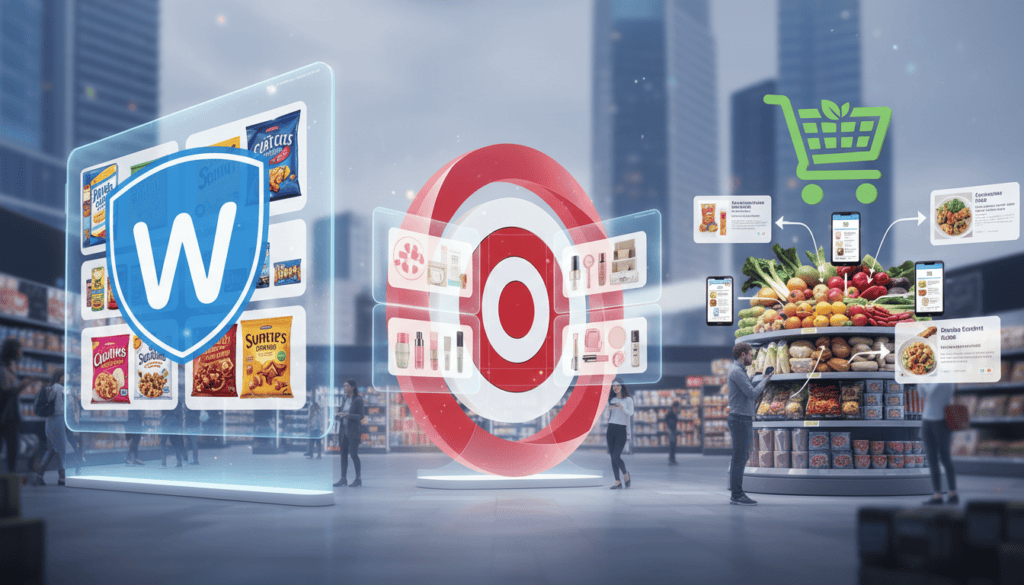
Consumer Packaged Goods brands are abandoning traditional retail gatekeepers at record speed, with 73% planning to increase their direct-to-consumer investments this year. The shift isn’t just about higher margins—it’s about owning customer relationships and building brands that can adapt quickly to changing consumer demands.

Why CPG Brands Are Choosing Shopify for DTC Success
Shopify has become the backbone for CPG brands making the direct-to-consumer leap, and there’s good reason for this preference. The platform handles the technical complexity while giving brands the flexibility they need to create unique customer experiences.
Here’s what makes Shopify particularly attractive for CPG companies: it’s built for product-focused businesses from the ground up. Unlike generic ecommerce solutions, Shopify understands inventory management, subscription models, and the specific challenges that come with shipping physical products directly to consumers.
Scalability That Grows With Your Brand
Most CPG brands don’t start small and stay small. You’re planning for growth, and Shopify’s infrastructure can handle everything from your first hundred orders to millions of transactions. The platform automatically scales server capacity during traffic spikes—think product launches or viral social media moments—without requiring technical intervention.
This scalability extends beyond just handling traffic. Shopify’s app ecosystem includes specialized tools for CPG brands, from advanced inventory forecasting to subscription management systems that can handle complex product rotations and customer preferences.
Building Your CPG Brand’s DTC Foundation
Product Catalog Strategy
Your product presentation needs to work harder in the DTC space than it ever did on retail shelves. Without the ability to touch, smell, or physically examine products, customers rely entirely on how you present items online.
Start with high-quality product photography that shows multiple angles, scale, and context. CPG products often benefit from lifestyle shots that demonstrate usage scenarios. If you’re selling food products, show them being prepared or consumed. For personal care items, demonstrate the texture, application, or results.
Product descriptions should answer questions before customers think to ask them. Include ingredient lists, usage instructions, storage recommendations, and size comparisons. The goal is to provide more information than customers would get from examining the product in a physical store.
Inventory Management Excellence
CPG brands face unique inventory challenges in the DTC space. You’re likely dealing with expiration dates, seasonal demand fluctuations, and the need to maintain freshness while minimizing waste.
Shopify’s inventory management tools can track lot numbers, expiration dates, and automatically prioritize older stock for fulfillment. This FIFO (first in, first out) approach is essential for food and beverage brands, but it’s also valuable for any CPG product where freshness or shelf life matters.
Consider using Shopify’s demand forecasting features to predict inventory needs. The platform analyzes historical sales data, seasonal trends, and current inventory levels to suggest reorder quantities and timing.
Creating Subscription Revenue Streams
Subscription models have transformed how CPG brands think about customer relationships. Instead of hoping customers remember to repurchase, you’re building predictable, recurring revenue streams.
Shopify’s subscription apps allow you to offer flexible delivery schedules, easy pause and resume options, and automatic adjustments based on customer usage patterns. The key is making subscriptions feel convenient rather than restrictive.
Subscription Strategy Best Practices
Don’t just offer subscriptions—actively optimize them. Use customer data to suggest ideal delivery frequencies. If someone consistently pushes back their delivery date, automatically adjust their schedule. If they frequently add extra items to subscription orders, suggest upgrading their recurring quantity.
Provide clear value for subscription customers through exclusive products, early access to new releases, or subscriber-only pricing. This creates a premium tier of customers who are more engaged and less likely to churn.

Optimizing for CPG Customer Experience
Mobile-First Shopping Experience
CPG purchases often happen impulsively or during routine shopping moments. Your Shopify store needs to excel on mobile devices where these micro-moments occur.
Optimize your mobile checkout process ruthlessly. Every additional step or required field increases abandonment rates. Use Shopify’s accelerated checkout options like Shop Pay to reduce friction for returning customers.
Consider how customers discover and research CPG products on mobile. They might scan a QR code from packaging, click through from social media, or search while standing in a competitor’s aisle. Your mobile experience should accommodate these varied entry points.
Personalization at Scale
CPG brands have access to rich customer data—purchase history, frequency patterns, seasonal preferences, and more. Use this data to create personalized shopping experiences that feel tailored rather than generic.
Shopify’s personalization tools can display different homepage content based on customer segments, recommend products based on purchase history, and send targeted email campaigns based on buying patterns.
This might surprise you, but some of the most effective personalization happens outside the shopping experience. Use customer data to personalize packaging inserts, follow-up communications, and educational content about product usage.
Mastering CPG Fulfillment and Logistics
Shipping Strategy for Physical Products
CPG brands face unique shipping challenges. Products might be fragile, temperature-sensitive, or heavy. Customers expect fast delivery but are sensitive to shipping costs, especially for routine purchases.
Use Shopify’s shipping rate calculator to offer accurate, real-time shipping costs. Consider offering free shipping thresholds that encourage larger order values—this is particularly effective for CPG brands where customers often purchase multiple items.
For temperature-sensitive products, integrate with specialized fulfillment partners who can handle cold chain logistics. Shopify’s fulfillment network includes partners experienced with food, beverage, and cosmetic shipping requirements.
Returns and Customer Service
CPG returns are different from fashion or electronics returns. Customers might return products due to damage during shipping, quality issues, or simply not liking the taste or scent. Your return policy needs to balance customer satisfaction with practical business considerations.
Create clear return policies that address common CPG scenarios. If you sell consumables, consider offering refunds or replacements without requiring returns for hygiene reasons. Use return data to identify product quality issues or fulfillment problems before they become widespread.
Marketing Your CPG Brand Through Shopify
Email Marketing for Recurring Purchases
Email marketing takes on special importance for CPG brands because purchase cycles are predictable. You can anticipate when customers will need to reorder and time communications accordingly.
Set up automated email sequences based on purchase history. Send replenishment reminders before customers run out of products. Share usage tips, recipes, or application techniques that increase product consumption and loyalty.
Use Shopify’s email marketing tools to segment customers based on purchase behavior, preferences, and engagement levels. A customer who buys organic products might respond to sustainability messaging, while value-focused shoppers want to hear about bulk discounts.
Social Commerce Integration
CPG products are inherently social—people share food experiences, recommend beauty products, and discuss household items. Shopify’s social commerce features let you sell directly through Instagram, Facebook, and TikTok where these conversations happen.
Enable user-generated content by encouraging customers to share photos and reviews. CPG products often photograph well in use, creating authentic marketing content that resonates with potential customers.

Advanced Shopify Features for CPG Success
Analytics and Customer Insights
CPG brands need to understand customer lifetime value, purchase frequency, and seasonal patterns. Shopify’s analytics tools provide insights into these key metrics, but the real value comes from acting on the data.
Use customer purchase patterns to inform product development, seasonal promotions, and inventory planning. If data shows customers typically try three different flavors before settling on a favorite, create sample packs or variety bundles to accelerate this discovery process.
Wholesale Integration
Many CPG brands operate both DTC and wholesale channels. Shopify Plus offers wholesale functionality that lets you manage both business models within a single platform.
This integrated approach provides complete visibility into inventory across all channels and ensures consistent brand presentation whether customers encounter you online or in retail stores.
Measuring Success and Optimization
Success metrics for CPG DTC operations extend beyond basic ecommerce KPIs. Focus on customer lifetime value, subscription retention rates, and repeat purchase frequency. These metrics better reflect the recurring nature of CPG purchases.
Monitor inventory turnover rates and product velocity to identify winning products and slow-moving SKUs. Use this data to inform everything from marketing spend allocation to product line expansion decisions.
The reality is that CPG DTC success requires constant optimization. Shopify’s A/B testing tools let you experiment with product presentations, pricing strategies, and checkout processes to continuously improve performance.
Getting Started With Your CPG DTC Strategy
Building a successful direct-to-consumer CPG brand on Shopify requires more than just setting up an online store. You need a strategy that accounts for the unique challenges and opportunities of selling consumer packaged goods directly to customers.
Start with a clear understanding of your customer’s purchase journey, from initial discovery through repeat purchases. Use Shopify’s tools to create experiences that support this journey while building the operational infrastructure to deliver consistently great service.
Remember, the brands winning in the DTC CPG space aren’t just selling products—they’re building relationships with customers who choose them over countless alternatives available in traditional retail channels. Success comes from combining Shopify’s technical capabilities with deep customer insight and relentless focus on experience optimization.
At Beast Creative Agency, we help CPG brands navigate the complexities of DTC ecommerce strategy, from initial Shopify setup through advanced marketing automation and conversion optimization. Our AI-enhanced campaigns and data-driven approach ensure your DTC strategy delivers measurable ROI from day one.