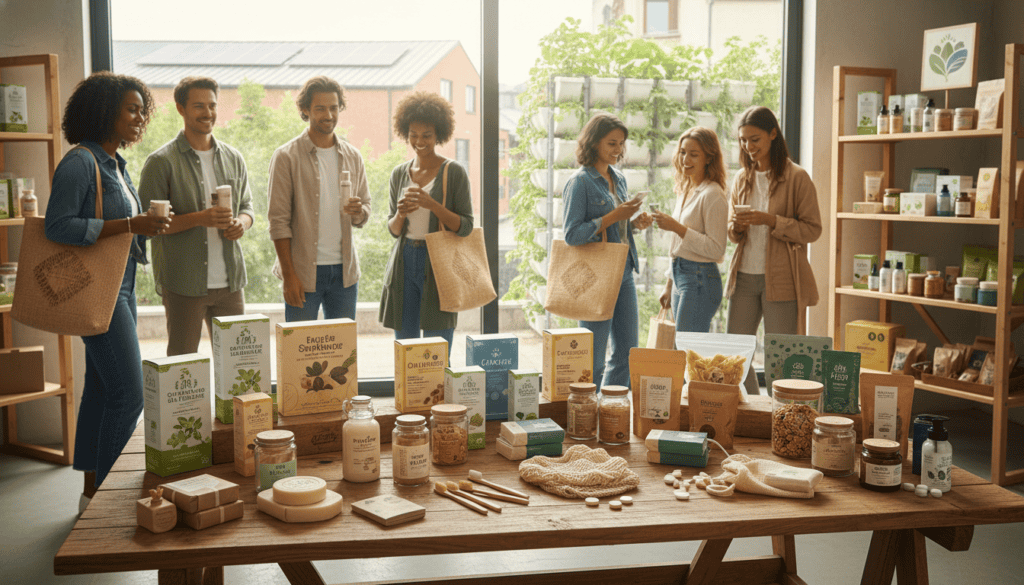
Seventy-three percent of global consumers say they would change their consumption habits to reduce environmental impact, yet most CPG brands in the consumer packaged goods industry still struggle to meet this demand effectively. The gap between consumer intention and available sustainable options represents both a challenge and an unprecedented opportunity for forward-thinking companies willing to adapt their product lines and marketing strategies.

The Sustainable CPG Revolution: More Than Just a Trend
The shift toward sustainable consumer packaged goods isn’t a passing fad—it’s a fundamental transformation in how people shop and what they value. Today’s consumers actively seek products that align with their environmental values, and they’re willing to pay premium prices for brands that deliver authentic sustainability.
This movement spans every CPG category, from food and beverages to personal care and household products. Companies that recognize this shift early and respond strategically position themselves for long-term growth in an increasingly conscious marketplace.
Understanding the Modern Eco-Conscious Consumer
Today’s environmentally aware shoppers don’t just want green products—they want transparency, authenticity, and proof of impact. They research ingredients, scrutinize packaging claims, and share their discoveries on social media. This behavior creates both higher standards and greater opportunities for brands that get it right.
These consumers typically:
- Read product labels more carefully than ever before
- Research brand values and sustainability practices online
- Pay attention to packaging materials and recyclability
- Influence friends and family through social sharing
- Remain loyal to brands that consistently deliver on sustainability promises
Key Areas Driving Sustainable CPG Innovation
Packaging Revolution
Packaging represents one of the most visible and impactful areas for sustainable innovation. Smart CPG companies are moving beyond simply using recycled materials to create truly circular packaging solutions.
Successful packaging strategies include:
- Biodegradable and compostable materials that break down naturally
- Refillable containers that reduce single-use waste
- Concentrated formulas that minimize packaging size and shipping impact
- Clear recycling instructions and take-back programs
- Innovative materials like mushroom-based packaging and seaweed wraps
The key is balancing sustainability with functionality. Consumers won’t sacrifice product quality or convenience, so successful sustainable packaging must perform as well as or better than traditional alternatives.
Ingredient Transparency and Sourcing
Modern consumers want to know exactly what goes into their products and where those ingredients come from. This demand for transparency extends beyond organic certifications to include fair trade practices, regenerative agriculture, and local sourcing.
Leading brands are responding by:
- Publishing detailed ingredient sourcing information
- Partnering directly with sustainable farms and suppliers
- Investing in regenerative agriculture practices
- Obtaining third-party sustainability certifications
- Sharing supplier stories and impact metrics
Carbon Footprint Reduction
Climate-conscious consumers increasingly consider the carbon footprint of their purchases. Smart CPG brands are addressing this by measuring, reducing, and communicating their environmental impact throughout the supply chain.
Effective carbon reduction strategies include:
- Local and regional sourcing to reduce transportation emissions
- Renewable energy in manufacturing facilities
- Optimized distribution networks and logistics
- Carbon-neutral or carbon-negative product lines
- Clear communication about climate impact and reduction efforts

Building Authentic Sustainable Brand Messaging
Beyond Greenwashing: Creating Genuine Value
Consumers have become sophisticated at detecting greenwashing—superficial environmental claims without substantial backing. Authentic sustainable messaging requires real changes to products, processes, and business practices.
Here’s what works:
- Specific, measurable sustainability claims with supporting data
- Third-party certifications from recognized organizations
- Transparent reporting on both successes and areas for improvement
- Employee and customer stories about sustainability impact
- Clear timelines and commitments for future improvements
Communicating Sustainability Across Channels
Effective sustainable CPG marketing requires consistent messaging across all touchpoints. This includes product packaging, website content, social media, retail partnerships, and advertising campaigns.
The most successful brands create educational content that helps consumers understand both the importance of sustainability and how their products contribute to positive environmental impact. This approach builds trust while positioning the brand as a thought leader in the space.
Market Opportunities and Growth Potential
Premium Positioning and Pricing Power
Sustainable CPG products often command premium prices, but this advantage only works when consumers perceive genuine value. The key is demonstrating that sustainability enhances rather than compromises product performance.
Successful premium positioning requires:
- Superior product quality and performance
- Clear communication of environmental benefits
- Attractive, functional sustainable packaging
- Strong brand story and values alignment
- Consistent quality and availability
Retail Partnership Opportunities
Major retailers increasingly prioritize sustainable products, creating dedicated shelf space and promotional opportunities for brands that meet their environmental standards. This trend opens new distribution channels and marketing partnerships for qualifying products.
Retailers are also investing in sustainability education and marketing support for qualifying brands, amplifying the reach and impact of individual company efforts.
Digital-First Marketing Advantages
Sustainable CPG brands often perform exceptionally well in digital marketing channels, where they can tell detailed stories about their environmental impact and connect with values-driven consumers.
Digital advantages include:
- Detailed product information and sustainability stories
- Direct-to-consumer sales channels
- Social media engagement with environmentally conscious communities
- Data-driven targeting of sustainability-focused consumers
- Partnership opportunities with environmental influencers and organizations
Overcoming Common Sustainable CPG Challenges
Supply Chain Complexity
Building truly sustainable supply chains requires significant investment and coordination. Companies must balance environmental goals with cost considerations and operational efficiency.
Successful approaches include:
- Starting with key ingredients or packaging components
- Building long-term supplier partnerships
- Investing in supplier education and capability development
- Creating clear sustainability standards and measurement systems
- Gradually expanding sustainable practices across the entire supply chain
Cost Management and Profitability
Sustainable materials and processes often cost more initially, but smart companies find ways to offset these costs through efficiency improvements, waste reduction, and premium pricing.
The key is taking a long-term view that considers total cost of ownership, including brand value, customer loyalty, and risk mitigation benefits of sustainable practices.
Scaling Production While Maintaining Standards
As sustainable CPG brands grow, maintaining consistent environmental standards becomes increasingly challenging. Success requires robust systems and processes that can scale effectively.
This includes investing in quality control systems, supplier auditing processes, and technology solutions that support sustainable operations at scale.

Future Trends and Opportunities
Technology-Enabled Sustainability
Emerging technologies are creating new opportunities for sustainable CPG innovation. From blockchain supply chain tracking to AI-optimized distribution networks, technology is making sustainability more achievable and measurable.
Smart packaging technologies that extend shelf life, reduce waste, and provide real-time freshness information represent another frontier for sustainable innovation.
Circular Economy Integration
The most forward-thinking CPG companies are designing products and packaging for circular economy principles from the start. This includes take-back programs, refill systems, and products designed for disassembly and recycling.
These approaches create new revenue streams while reducing environmental impact and building stronger customer relationships.
Personalization Meets Sustainability
Consumers increasingly want products tailored to their specific needs and values. This creates opportunities for personalized sustainable products that reduce waste while delivering exactly what each customer wants.
Data-driven personalization can help optimize product formulations, packaging sizes, and delivery frequencies to minimize environmental impact while maximizing customer satisfaction.
Measuring Success in Sustainable CPG
Environmental Impact Metrics
Successful sustainable CPG companies track detailed environmental impact metrics, including carbon footprint, water usage, waste generation, and packaging recyclability. These metrics inform product development decisions and marketing communications.
Regular third-party auditing and certification provide credibility and help identify areas for improvement.
Business Performance Indicators
While environmental impact matters, sustainable CPG products must also deliver strong business results. Key performance indicators include:
- Revenue growth and market share expansion
- Customer acquisition and retention rates
- Brand awareness and sentiment metrics
- Retail partnership growth and shelf space expansion
- Premium pricing maintenance and gross margin improvement
Consumer Engagement and Loyalty
Sustainable brands often achieve higher customer engagement and loyalty rates than conventional alternatives. Tracking these metrics helps quantify the business value of sustainability investments.
Social media engagement, customer lifetime value, and net promoter scores typically show strong performance for authentic sustainable brands.
The Path Forward for CPG Sustainability
The sustainable CPG market represents one of the most significant growth opportunities in consumer goods today. Companies that embrace this shift thoughtfully and authentically position themselves for long-term success in an increasingly conscious marketplace.
Success requires more than just green packaging or organic ingredients—it demands a complete rethinking of how products are designed, manufactured, marketed, and sold. The brands that get this right will build lasting competitive advantages and loyal customer bases that drive sustainable growth.
The key is starting with authentic commitment to environmental impact and building systematic approaches to sustainable innovation. This foundation enables effective marketing that resonates with values-driven consumers while delivering genuine environmental benefits.
For CPG companies ready to embrace sustainable innovation, the opportunity is substantial. Consumer demand continues growing, retail support is expanding, and technology solutions are making sustainable practices more achievable than ever before. At Beast Creative Agency, we help forward-thinking CPG brands develop and execute marketing strategies that authentically communicate their sustainability story while driving measurable business results through our data-driven, transparent approach to campaign development and optimization.