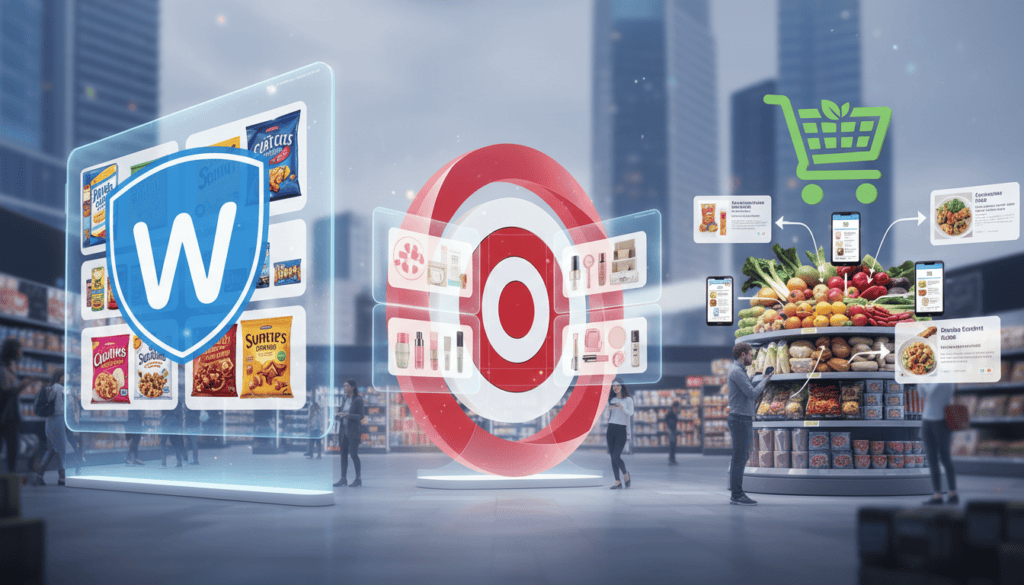
Consumer packaged goods brands face a unique marketing puzzle that traditional strategies simply can’t solve. While other industries rely on relationship-building and long sales cycles, CPG brands must capture attention, drive purchase decisions, and build loyalty within seconds at the point of sale.

Understanding CPG Marketing Fundamentals
CPG marketing operates in a world where consumers make split-second decisions. Your shampoo bottle has mere moments to compete against dozens of alternatives on crowded shelves. This reality shapes every aspect of how CPG brands approach their marketing strategy.
Traditional marketing typically focuses on building awareness and nurturing prospects through extended touchpoints. Think B2B software companies that create whitepapers, host webinars, and maintain months-long email sequences. CPG marketing flips this model entirely.
The Speed Factor
Here’s what makes CPG different: you’re marketing to consumers who spend an average of 13 seconds deciding on packaged goods purchases. Traditional marketing campaigns might unfold over quarters or years. CPG campaigns need to work instantly.
This speed requirement affects everything from creative design to media buying strategies. Your message must be immediately clear, visually striking, and emotionally resonant—all within the time it takes someone to walk down an aisle.
Channel Strategy Differences
Traditional marketing often relies heavily on direct channels—websites, email lists, sales teams, and owned media. CPG brands operate differently because they typically don’t control the final point of sale.
Retail Partnership Reality
Most CPG brands sell through retailers, which creates a unique challenge. You’re not just marketing to end consumers; you’re also marketing to buyers at Target, Walmart, or specialty retailers. This dual audience requires completely different messaging and proof points.
Trade marketing becomes essential for CPG brands. You need sell-sheets that demonstrate velocity metrics, promotional calendars that align with retail partners’ needs, and packaging that meets specific retail requirements. Traditional service businesses rarely face these constraints.
Digital Channel Priorities
While traditional businesses might focus heavily on search engine optimization and lead generation, CPG brands prioritize different digital strategies:
- Social commerce: Instagram Shopping and TikTok Shop integration
- Influencer partnerships: Micro-influencer campaigns that drive trial
- Amazon optimization: A+ content, sponsored products, and brand stores
- Video content: Recipe videos, tutorials, and lifestyle content
Budget Allocation Strategies
Traditional businesses often allocate marketing budgets based on customer acquisition costs and lifetime value calculations. CPG brands need different metrics and allocation strategies.
The 60-30-10 Rule
Many successful CPG brands follow this budget allocation:
- 60% on performance marketing: Direct-response campaigns that drive immediate sales
- 30% on brand building: Awareness campaigns that build long-term equity
- 10% on innovation marketing: Testing new channels and creative approaches
Traditional businesses might flip these percentages, investing heavily in brand building and relationship nurturing because their sales cycles support this approach.
Seasonal Intensity
CPG marketing budgets often concentrate around key retail moments. Back-to-school season for lunch products, holiday baking season for food ingredients, or summer for beverages. This creates intense, focused campaign periods rather than the steady-state marketing many traditional businesses maintain.

Creative and Messaging Approaches
The creative requirements for CPG marketing differ significantly from traditional approaches. You’re not building complex value propositions or explaining intricate services.
Emotional Connection Over Features
Traditional B2B marketing might lead with features, benefits, and rational decision-making factors. CPG marketing leads with emotion and lifestyle connections.
Consider how Dove doesn’t sell soap—they sell confidence and self-acceptance. Or how Red Bull doesn’t sell energy drinks—they sell extreme sports lifestyle and peak performance. This emotional positioning requires different creative skills and messaging strategies than traditional marketing.
Package Design as Marketing
Your package IS your marketing in CPG. The design, colors, copy, and shelf presence function as your primary sales tool. Traditional businesses might use packaging for shipping protection, but CPG brands use it as their most important marketing asset.
This means involving marketing teams in package design decisions, conducting shelf studies, and testing package variations—activities that traditional businesses rarely consider.
Data and Analytics Differences
CPG brands track different metrics and use different data sources than traditional businesses. The multi-layered distribution model creates unique measurement challenges.
Retail Data Integration
Success requires integrating data from multiple sources:
- Syndicated data: IRI or Nielsen market share and velocity data
- Retail partner data: Sales data from individual retailers
- Consumer research: Brand tracking and shopping behavior studies
- Digital analytics: Website and social media performance
Traditional businesses might rely primarily on their own customer data and digital analytics. CPG brands need external data sources to understand their true market position.
Attribution Complexity
When someone sees your Instagram ad on Tuesday and buys your product at Target on Friday, traditional attribution models break down. CPG brands need sophisticated measurement approaches that account for this offline conversion reality.
Many CPG brands use marketing mix modeling or multi-touch attribution platforms specifically designed for retail environments. Traditional businesses can often rely on simpler, direct-response attribution models.
Competitive Intelligence Requirements
CPG marketing requires constant competitive monitoring because product positioning and pricing changes happen frequently. Traditional service businesses might analyze competitors quarterly or annually. CPG brands need monthly or even weekly competitive intelligence.
Price Monitoring
Retail pricing fluctuates constantly through promotions, seasonal adjustments, and competitive responses. CPG brands need systems to track their pricing relative to competitors across multiple retailers and geographies.
Innovation Tracking
New product launches happen constantly in CPG categories. Tracking competitive product innovations, packaging changes, and promotional strategies becomes a full-time requirement rather than an occasional analysis.

Consumer Behavior Considerations
CPG consumers behave differently than traditional business customers, which is why understanding the CPG customer journey is critical for shaping effective marketing strategies. Understanding these behavioral differences shapes every marketing decision.
Habit-Driven Purchases
Many CPG purchases are habitual rather than considered decisions. Consumers buy the same toothpaste, cereal, or cleaning products repeatedly without extensive research. This means your marketing needs to either reinforce existing habits or actively disrupt them.
Traditional businesses often deal with more considered purchase decisions where marketing can provide information and build relationships over time. CPG brands need to trigger immediate behavior changes.
Trial and Repeat Dynamics
CPG success requires both trial generation and repeat purchases. This creates a two-stage marketing challenge: getting consumers to try your product once, then convincing them to make it their regular choice.
First-time trial might require sampling, couponing, or promotional pricing. Repeat purchases require product satisfaction and top-of-mind awareness. Traditional businesses might focus primarily on customer satisfaction and retention without the same emphasis on trial generation.
Regulatory and Compliance Factors
CPG marketing faces unique regulatory requirements that traditional service businesses don’t encounter. Food and drug claims must meet FDA requirements. Children’s products face additional advertising restrictions. Personal care products need ingredient transparency.
These compliance requirements affect creative development, influencer partnerships, and promotional strategies. Traditional professional service businesses typically face fewer content restrictions in their marketing.
Making the Right Choice for Your Brand
Understanding whether your business needs CPG or traditional marketing approaches depends on several key factors:
- Sales cycle length: Immediate purchase vs. extended consideration
- Distribution model: Direct sales vs. retail partnerships
- Purchase frequency: Repeat purchases vs. one-time transactions
- Decision-making process: Emotional vs. rational drivers
- Competitive environment: Shelf competition vs. service differentiation
Many businesses combine elements from both approaches, developing an omnichannel CPG marketing approach that leverages retail partnerships alongside direct-to-consumer channels. A premium food brand might use CPG strategies for mass market products while employing traditional marketing for B2B restaurant sales.
The Future of CPG Marketing
CPG marketing continues evolving as retail channels diversify and consumer shopping behaviors change. Direct-to-consumer sales are blurring the lines between CPG and traditional marketing. Subscription models are changing repeat purchase dynamics. Social commerce is creating new touchpoints between brands and consumers.
The most successful CPG brands are those that adapt their marketing strategies to match their specific business model while staying true to the fundamental principles of consumer packaged goods marketing: speed, emotional connection, and retail partnership success.
Ready to develop a marketing strategy that matches your business model? Start by choosing the right CPG marketing agency that understands the unique challenges of consumer packaged goods brands. At Beast Creative Agency, our certified specialists combine traditional marketing expertise with CPG-specific knowledge to create campaigns that drive real results. Our AI-enhanced approach and radical transparency ensure you get personalized strategies that maximize your ROI, whether you’re launching a new product or scaling an existing brand.